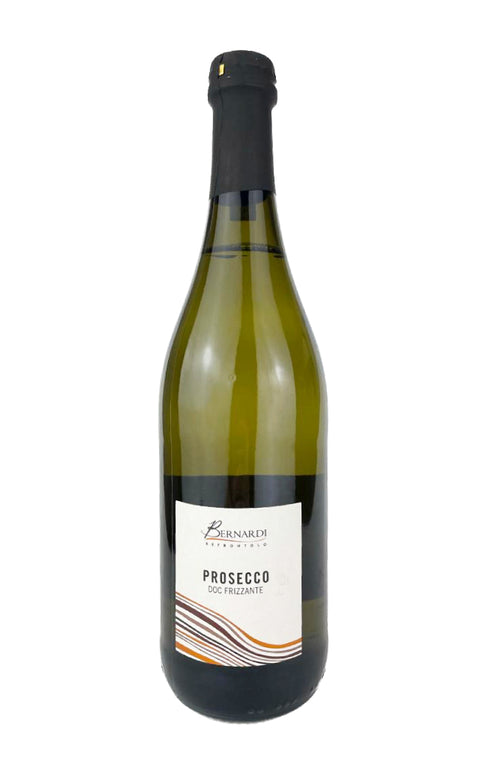
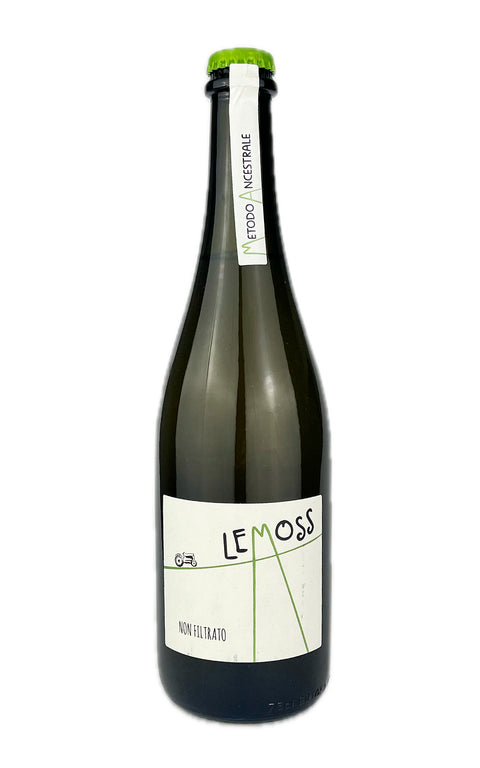
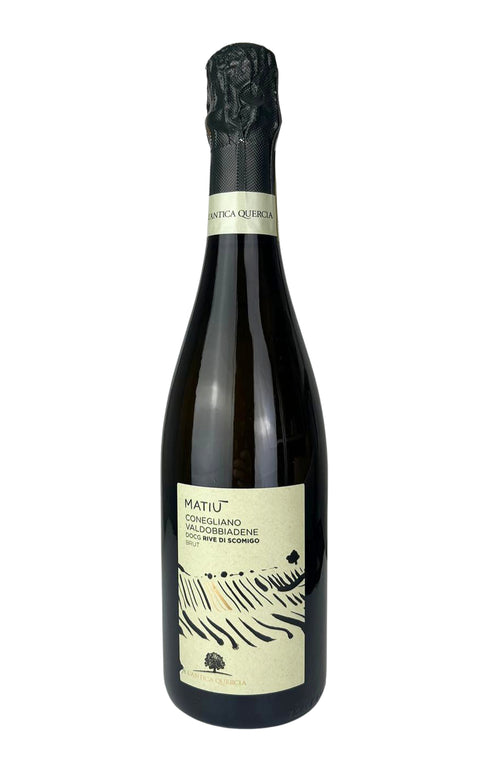
Discover our Prosecco collection, Italy’s most popular sparkling wine, known for its bright, fruity flavours, light bubbles and approachable style. Made primarily from the Glera grape in the Veneto and Friuli regions, Prosecco comes in both spumante (fully sparkling) and frizzante (lightly sparkling) versions. It’s fresh, aromatic, and easy-drinking, making it perfect for aperitifs, casual celebrations, and food pairings. At Forest Wines, we feature organic and natural Prosecco from producers who prioritise low-intervention viticulture, bringing freshness and purity to every bottle.
While often compared to Cava or Champagne, Prosecco is made using the tank (Charmat) method rather than traditional bottle fermentation. This method preserves vibrant fruit and floral aromatics while keeping it approachable and lively. You’ll find styles ranging from crisp and bone-dry Brut to slightly off-dry Extra Dry, with charming notes of apple, pear, white flowers and delicate almond. For those seeking sparkling Italian wine with personality, everyday drinkability, and exceptional value, Prosecco is a natural choice.
Here you will find answers to some of the most frequently asked questions for this category.
What is Prosecco wine?
Prosecco is a sparkling wine from Italy, made predominantly from the Glera grape. Unlike Champagne or Cava, which use bottle fermentation, Prosecco is generally made using the tank (Charmat) method, producing fresh, fruit-forward wines with lively bubbles.
Is Prosecco the same as Champagne?
No. While both are sparkling wines, Champagne is made in France using the traditional bottle-fermentation method, whereas Prosecco is Italian and primarily uses the tank method. Prosecco tends to be lighter, more aromatic, and fruit-driven.
What does Prosecco taste like?
Prosecco is typically fresh and fruity, with notes of green apple, pear, white flowers, and sometimes subtle almond or honey hints. It’s generally light-bodied, aromatic, and very easy to drink.
What is frizzante Prosecco?
Frizzante Prosecco is lightly sparkling, offering softer bubbles and a gentle, refreshing style. It’s perfect for casual drinking or pairing with light meals.
What is spumante Prosecco?
Spumante Prosecco is fully sparkling, with more persistent bubbles and slightly more structure. This style is great for celebrations, aperitifs, or pairing with food.
Is Prosecco dry or sweet?
Prosecco is usually available in Brut (dry), Extra Dry (slightly off-dry) or Dry (more noticeable sweetness). Most bottles sold today are Extra Dry, striking a balance between crispness and subtle fruitiness.
What is organic or natural Prosecco?
Organic or natural Prosecco comes from vineyards managed without synthetic chemicals, often with low-intervention winemaking in the cellar. These wines emphasise freshness, terroir, and purity of flavour.
How should Prosecco be served?
Serve Prosecco well chilled at around 6–8°C to highlight its delicate bubbles and aromatic freshness. It’s excellent on its own or with light foods like seafood, salads, or soft cheeses.
Can Prosecco be used in cocktails?
Yes! Prosecco is the base for classic sparkling cocktails like the Bellini or Aperol Spritz, adding bright fruit notes and gentle effervescence.
How does Prosecco compare to Cava or Cremant?
Prosecco is lighter, fruitier, and less structured than Cava or Cremant, which use traditional bottle fermentation. While all three are sparkling wines, Prosecco offers a more approachable, everyday style at a lower price point.
Is Cava sweeter than Prosecco?
No. Cava is generally drier than Prosecco. Prosecco often has a softer, fruitier profile, while Cava tends to be crisper, more structured and less sweet.
Is Cremant better than Prosecco?
Cremant and Prosecco are very different styles. Cremant is made using the traditional method and tends to be drier and more complex, while Prosecco is usually lighter, fruitier and made using a tank method.
What’s the difference between Prosecco and Frizzante?
Prosecco is a sparkling wine that can come in both fully sparkling (Spumante) or lightly sparkling (Frizzante) styles. Frizzante wines have gentler bubbles and lower pressure, making them softer and slightly less fizzy than traditional sparkling wines like Spumante.