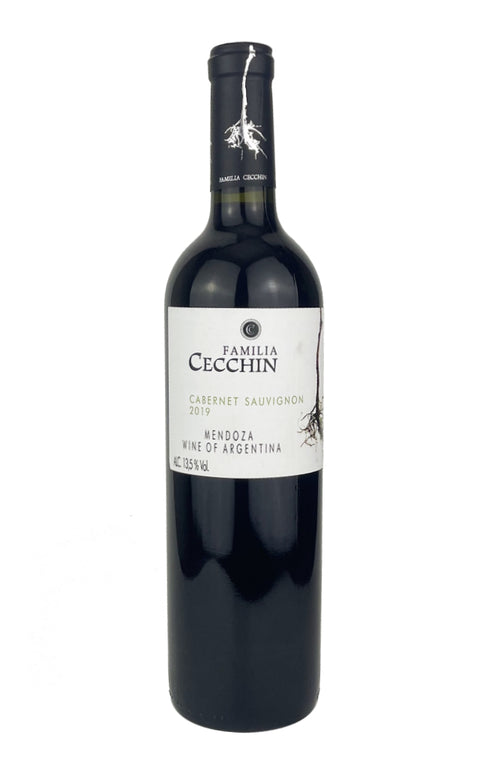
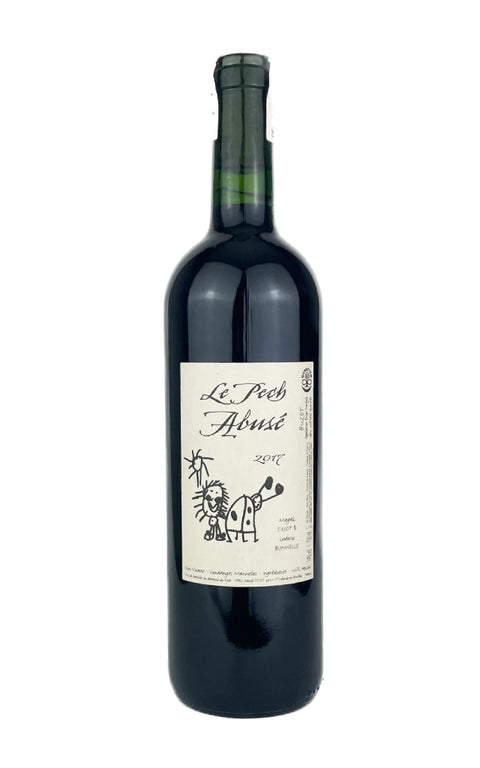
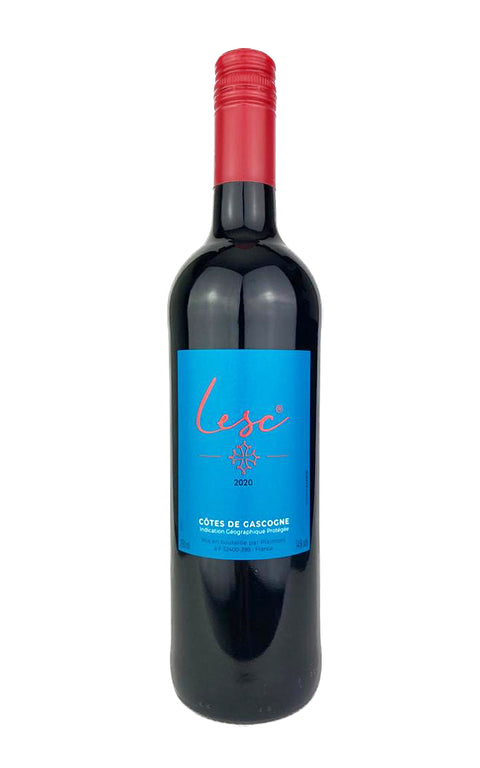
Discover our collection of Cabernet Sauvignon. This is one of the world’s most recognisable red grapes, loved for its structure, depth and ageing potential. Created through a natural crossing of Cabernet Franc and Sauvignon Blanc in 17th-century southwestern France, it typically produces full-bodied red wine.
Cabernet Sauvignon is known for flavours of blackcurrant, blackberry and plum, layered with notes of cedar, tobacco, spice and sometimes graphite. Naturally high in tannin and acidity, it creates wines that feel powerful and serious.
The grape is most famously associated with Bordeaux, where it forms the backbone of many classic blends, as well as with Argentina, where warmer conditions produce riper, more fruit-forward styles. Often referred to as “Cab Sauv”, Cabernet Sauvignon can vary widely depending on climate and winemaking, from structured and savoury Bordeaux blends to generous, bold New World expressions. Across styles, it remains a benchmark for lovers of confident, full-bodied reds.
Here you will find answers to some of the most frequently asked questions for this category.
Is Cabernet Sauvignon dry or sweet?
Cabernet Sauvignon is almost always made as a dry wine. While ripe fruit flavours can give a sense of richness, the wine itself contains very little residual sugar.
What is Cabernet Sauvignon wine like?
Cabernet Sauvignon wines are typically full-bodied, dry and structured, with flavours of blackcurrant, blackberry and plum, alongside notes of cedar, tobacco, spice and sometimes green pepper. They usually have firm tannins and a long finish, which makes them particularly well suited to food and ageing.
Is Cabernet Sauvignon a good wine?
Yes. Cabernet Sauvignon is widely considered one of the world’s great wine grapes, valued for its consistency, structure and ability to age well across many regions.
Is Cabernet Sauvignon full-bodied?
Typically, yes. Cabernet Sauvignon is known for its full body, firm tannins and strong structure, making it a classic choice for drinkers who enjoy bold red wines.
Which is better, Merlot or Cabernet Sauvignon?
Neither is objectively better, it depends on taste. Merlot is usually softer and rounder, while Cabernet Sauvignon is more structured, tannic and intense.
What is a Bordeaux blend?
A Bordeaux blend refers to a wine made from a combination of traditional Bordeaux grape varieties. The exact proportions vary depending on the producer and sub-region, but Merlot and Cabernet Sauvignon are typically the backbone.
What are the five blending grapes of Bordeaux?
The five main red blending grapes of Bordeaux are Cabernet Sauvignon, Merlot, Cabernet Franc, Petit Verdot and Malbec.
Is Cabernet Sauvignon always blended?
No. While famous in blends, Cabernet Sauvignon is also widely bottled as a single-varietal wine, especially outside Bordeaux.
What food pairs well with Cabernet Sauvignon?
Cabernet Sauvignon pairs best with rich dishes such as steak, roast beef, lamb, burgers and hard cheeses, which help soften its tannins.
Is Cabernet Sauvignon similar to Merlot?
They are related but different. Cabernet Sauvignon is usually firmer, more tannic and structured, while Merlot tends to be smoother and more approachable.
Does Cabernet Sauvignon age well?
Yes. Thanks to its tannin and acidity, Cabernet Sauvignon often improves with age, developing savoury, earthy and complex secondary flavours.
Is Syrah similar to Cabernet Sauvignon?
Syrah and Cabernet Sauvignon can share some similarities, such as deep colour and firm structure, but they are quite different in style. Syrah is typically more aromatic and spicy, with peppery and savoury notes, while Cabernet Sauvignon leans more towards blackcurrant fruit, herbal notes, and firmer tannins. Both are excellent ageing wines, but Syrah often feels more expressive earlier on.
Is Cabernet Franc lighter than Cabernet Sauvignon?
Cabernet Franc is generally lighter in body with higher acidity and softer tannins than Cabernet Sauvignon. This makes it more approachable when young and easier to pair with food.