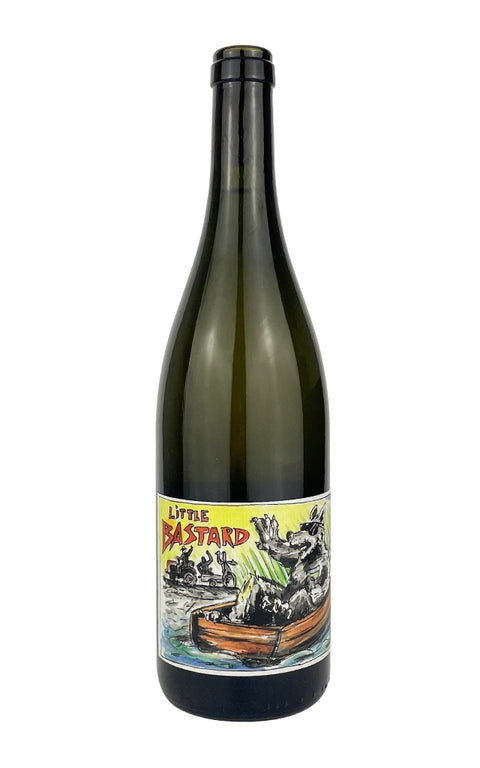
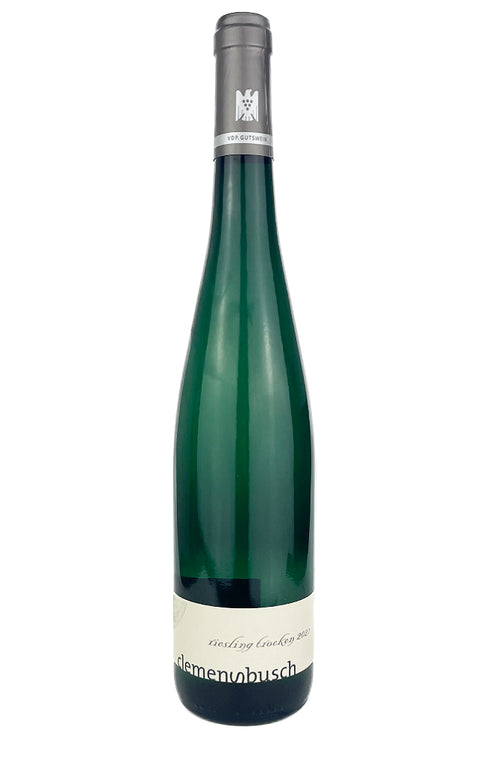
Discover Mosel wine, one of the world’s most iconic regions for German wine, known for producing some of the purest and most expressive white wines. Steep slate vineyards line the winding Mosel River, where cooler climates and dramatic slopes create wines that are light in body yet incredibly concentrated. At the heart of the region is Mosel Riesling, a style celebrated for its precision, acidity and ability to reflect its terroir.
While traditionally associated with off-dry styles, Mosel today offers a wide spectrum, from bone-dry, mineral-driven wines to delicately sweet expressions. Increasingly, a new generation of winemakers is also exploring organic farming and low-intervention techniques, bringing fresh energy to this historic region. The result is a collection of Mosel white wines that feel evolving, alongside more experimental styles such as skin-contact and Mosel orange wine.
Here you will find answers to some of the most frequently asked questions for this category.
Where is Mosel wine from?
Mosel wine comes from the Mosel region in western Germany, along the Mosel River and its tributaries. It is one of the country’s most famous wine regions, known for its steep vineyards and cool climate, which together create highly distinctive wines.
What is Mosel Riesling?
Mosel Riesling is a style of wine made from the Riesling grape grown in the Mosel region. It is known for its light body, vibrant acidity and precise expression of fruit and minerality, often considered one of the purest expressions of Riesling in the world.
What does Mosel wine taste like?
Mosel wines, particularly Riesling, tend to be fresh, aromatic and mineral-driven. Common flavours include green apple, citrus, peach and floral notes, often underpinned by a distinctive slate-like minerality from the region’s soils.
Is Mosel Riesling sweet or dry?
Mosel Riesling can range from dry to sweet. Traditionally, many wines had a touch of residual sugar, but today producers make a wide range of styles, including crisp dry wines as well as more classic off-dry and sweet expressions.
Why is Mosel wine so light?
The cool climate and steep vineyards slow down grape ripening, resulting in wines with lower alcohol, higher acidity and a lighter body. This balance is what gives Mosel wines their signature elegance and drinkability.
What is special about Mosel vineyards?
Mosel vineyards are among the steepest in the world, often planted on slate soils that retain heat and reflect sunlight. These conditions help grapes ripen despite the cool climate, while also contributing to the wines’ mineral character.
Is Mosel wine always white?
Mosel is best known for white wines, especially Riesling, which dominates the region. While small amounts of red wine are produced, the identity of Mosel is firmly rooted in German white wine.
What food pairs well with Mosel Riesling?
Mosel Riesling is incredibly versatile with food. Its acidity and balance make it a great match for spicy dishes, seafood, pork and Asian cuisine, as well as lighter, vegetable-based dishes.
Is there a natural wine scene in the Mosel?
Yes. While Mosel is steeped in tradition, many producers are now working organically or with minimal intervention. These wines often emphasise purity, texture and a more direct expression of vineyard sites, sometimes with less filtration or added sulphur.
Does Mosel produce orange wine?
Yes. Some producers in the Mosel are experimenting with orange wine, using skin contact on white grapes like Riesling. These wines tend to have more texture, grip and complexity, offering a more structured and savoury take on classic Mosel varieties.
What’s the difference between Mosel Riesling and Alsace Riesling?
Mosel Riesling and Alsace Riesling offer two very different expressions of the same grape. Mosel Riesling is typically lighter in body, lower in alcohol and often shows a touch of residual sugar, with bright acidity and delicate flavours of citrus, green apple and slate-like minerality. In contrast, Alsace Riesling is usually dry, fuller-bodied and more powerful, with riper fruit, more texture and often a slightly higher alcohol level.