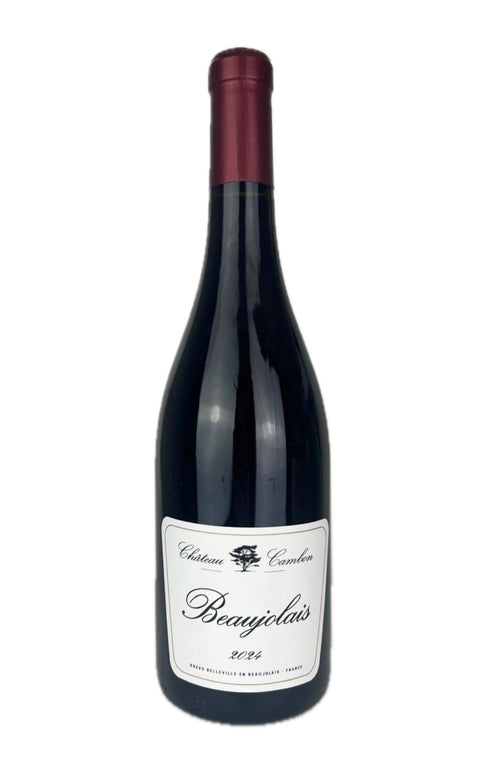
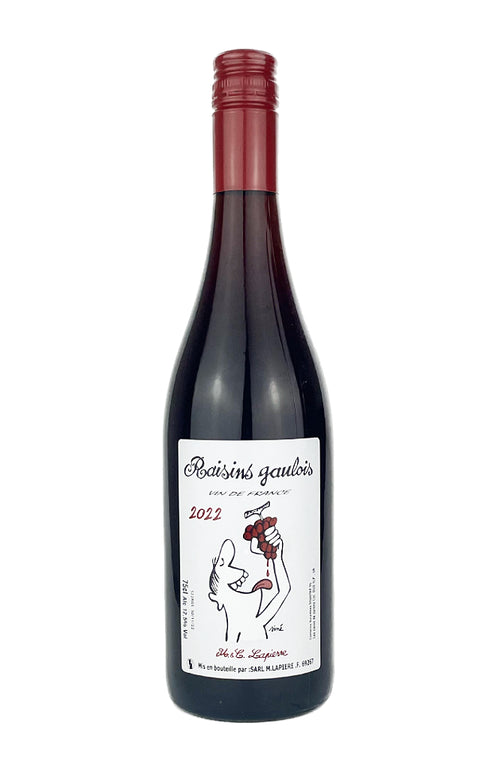
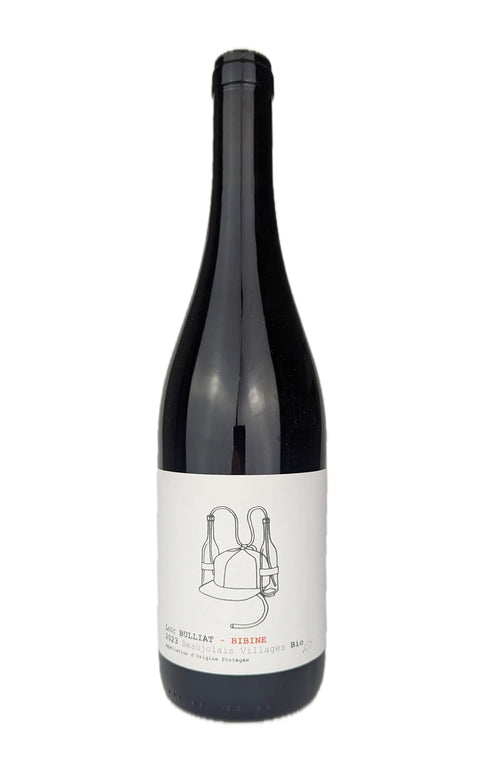
Discover Gamay, the red grape behind Beaujolais Nouveau, one of the most famous wine styles in the world. Every bottle of Beaujolais, from fresh, early-released Nouveau to more serious, structured crus, is made from Gamay. The grape naturally produces wines that are light in tannins, high in freshness, and full of bright red fruit flavours, which is exactly why Beaujolais Nouveau is so popular, juicy and easy to drink.
So, where is Gamay wine from? The grape is most closely associated with Beaujolais, just south of Burgundy, where it thrives on granite-rich soils and cooler temperatures. Beyond Beaujolais, Gamay is also grown in the Loire Valley, Switzerland and other cooler regions, producing fresh, food-friendly light red wines. If you enjoy Pinot Noir, chilled reds, or wines that sit somewhere between red and rosé, Gamay is a brilliant place to start.
Here you will find answers to some of the most frequently asked questions for this category.
What kind of wine is Gamay?
Gamay is a red wine grape best known for producing light-bodied, fresh and fruit-forward wines. It naturally has low tannins and bright acidity, which makes Gamay wines easy to drink, very food-friendly, and approachable even for people who don’t usually drink red wine.
Is Gamay a light red wine?
Yes, Gamay is considered a classic light red wine. Compared to fuller-bodied reds like Cabernet Sauvignon or Syrah, Gamay is lighter in structure, softer in tannins and more focused on freshness than power.
What does Gamay wine taste like?
Gamay wines typically show flavours of red berries such as cherry, raspberry and strawberry, often with floral notes and sometimes a subtle peppery or earthy edge. Depending on how it’s made, Gamay can range from very juicy and playful to more structured and complex.
Where is Gamay wine from?
Gamay originates from France and is most famously grown in the Beaujolais region, just south of Burgundy. Today, it’s also planted in the Loire Valley, Switzerland and other cooler-climate regions around the world.
Is Gamay the same as Beaujolais wine?
Beaujolais wine is made almost exclusively from the Gamay grape. While “Gamay” refers to the grape itself, “Beaujolais” refers to the region and wine style, which can range from fresh and youthful to more serious and age-worthy.
What is Beaujolais Nouveau?
Beaujolais Nouveau is a very young wine made from Gamay and released just weeks after harvest. It’s designed to be light, fruity and immediately drinkable, showcasing Gamay’s juicy, vibrant character rather than complexity or ageing potential.
Is Beaujolais Nouveau good quality wine?
Beaujolais Nouveau is not about ageing or structure: it’s about freshness and fun. While it’s not meant to be complex, well-made examples can be delicious, bright and joyful expressions of the Gamay grape when enjoyed young.
Is Gamay similar to Pinot Noir?
Gamay is often compared to Pinot Noir because both produce lighter-bodied red wines with fresh acidity and red fruit flavours. Gamay is usually more openly fruity and softer in tannins, while Pinot Noir tends to be more delicate and savoury.
What foods pair well with Beaujolais Nouveau?
It’s incredibly versatile. Try it with: roast chicken or turkey, charcuterie boards, pâté and terrines, Comté or soft cheeses, casual snacks (crisps, olives, anchovies). And don’t be afraid to chill it slightly, it makes the fruit even brighter.
Is Beaujolais a light red wine?
Yes, Beaujolais is a light red wine made primarily from the Gamay grape. It’s known for its bright acidity, low tannins, and juicy red fruit flavours, making it fresh, easy-drinking, and often enjoyed slightly chilled.
Should Gamay be served chilled?
Gamay benefits from being served slightly cooler than room temperature. A light chill helps emphasise its freshness and fruit, especially in warmer weather or when drinking lighter styles.
Is Gamay good with food?
Yes, Gamay is extremely food-friendly. Its low tannins and bright acidity make it a great match for charcuterie, roast chicken, vegetable dishes, casual meals and even lightly spiced foods.