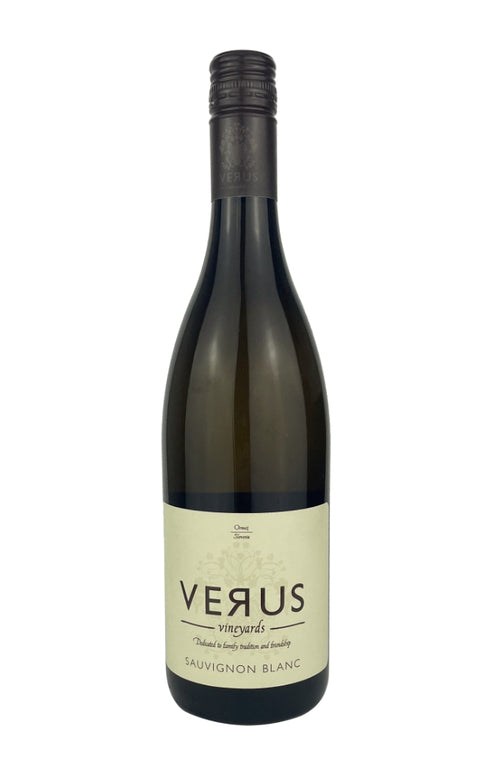
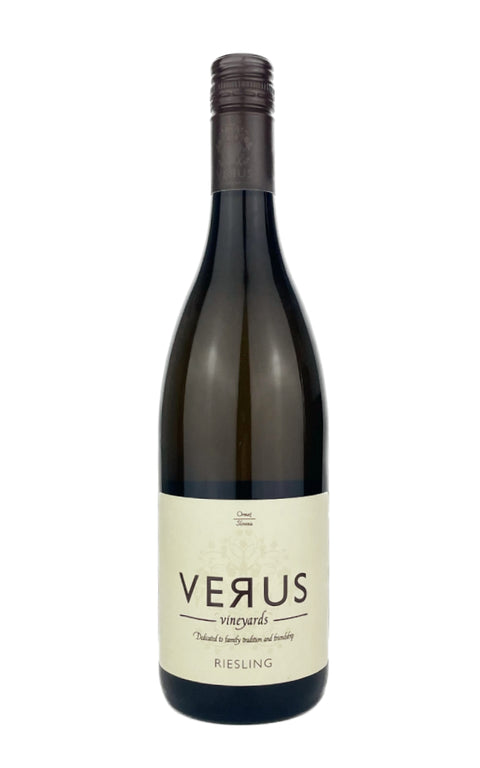
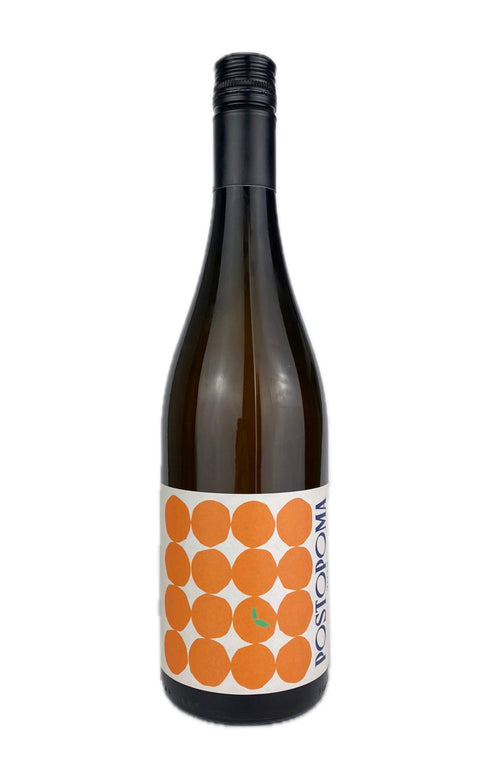
Slovenia may be small, but its wine scene is full of variety and personality. Nestled between Italy, Austria, and Hungary, the country produces wines that are fresh, balanced, and expressive. Both whites and reds show clarity and structure, and many producers experiment with natural winemaking, giving rise to standout orange wines. Traditional grapes like Rebula, Malvazija, and Zelen sit alongside international favourites such as Riesling, Pinot Gris, and Cabernet Sauvignon, making the wines of Slovenia diverse and exciting.
The main wine regions, Primorska, Podravje, and Posavje, each have their own style. Primorska, near the Italian border, is known for full-bodied whites and elegant reds. Podravje, in the northeast, is home to crisp, aromatic whites, including Slovenia’s take on Riesling, while Posavje produces lighter reds and refreshing everyday whites. From zesty, easy-drinking whites to textured, tannic orange Slovenian wines, this collection shows just how versatile Slovenian wines can be.
Here you will find answers to some of the most frequently asked questions for this category.
What makes Slovenian wines special?
Slovenian wines are known for their freshness, balance, and clarity, reflecting the country’s diverse soils and climates. Many winemakers also use natural or minimal-intervention techniques, which gives wines, especially orange wines, unique texture, depth, and a sense of place.
Which grape varieties are popular in Slovenia?
Some of Slovenia’s most traditional white grapes include Rebula, Malvazija, and Zelen, while Riesling has become increasingly popular for its crispness and aromatic intensity. On the red side, Refosco, Merlot, and Cabernet Sauvignon are widely grown, and many winemakers also experiment with these grapes to produce wines with more texture and ageing potential.
What is an orange Slovenian wine?
An orange wine is made from white grapes that are fermented with their skins, which gives the wine a deeper colour, more body, subtle tannins, and complex aromas. Slovenian producers have become particularly well known for this style, creating wines that are expressive, food-friendly, and capable of ageing.
Where does Slovenia grow Riesling, and what is it like?
The Podravje region in northeastern Slovenia is particularly renowned for Riesling. These wines are usually crisp and aromatic, with pronounced minerality, citrus notes, and the kind of structure that allows them to age gracefully over several years.
Are Slovenian wines natural, organic, or biodynamic?
Many small Slovenian wineries follow organic or biodynamic practices, aiming to let the vineyard and grapes speak for themselves. This is especially common with orange wines and traditional whites, where minimal intervention in the cellar helps preserve freshness, texture, and the nuances of the terroir.
What foods pair well with Slovenian wines?
Crisp whites and Slovenian Rieslings work beautifully with seafood, fresh vegetables, or lighter poultry dishes. More textured whites and orange wines pair perfectly with roasted vegetables, fermented foods, and aged cheeses, while the country’s reds are versatile enough to enjoy alongside grilled meats, roasted dishes, or richer everyday meals.
Can Slovenian wines be aged, or should they be drunk young?
While many Slovenian wines are approachable and enjoyable when young, more structured wines, particularly orange Slovenian wines and top Rieslings, develop additional layers of flavour and texture with a few years of cellaring. This makes them interesting both for immediate drinking and for those who enjoy exploring how a wine evolves over time.