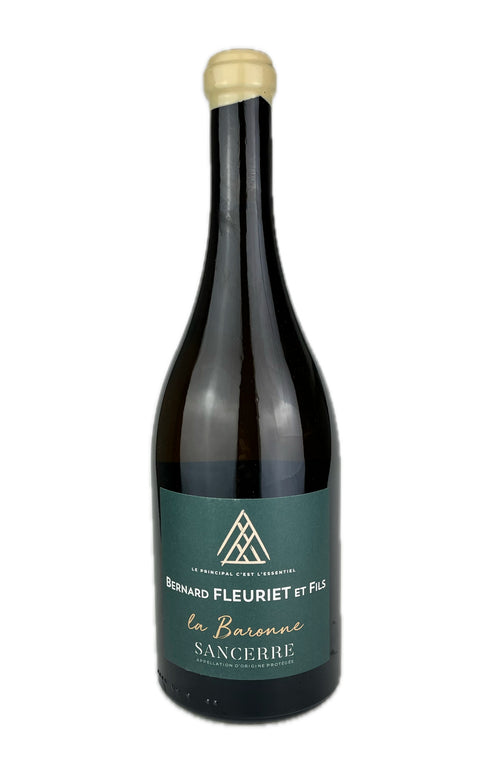
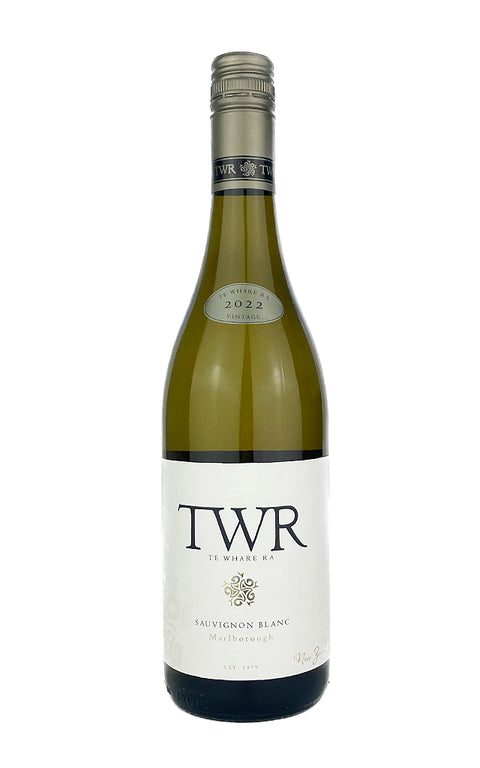
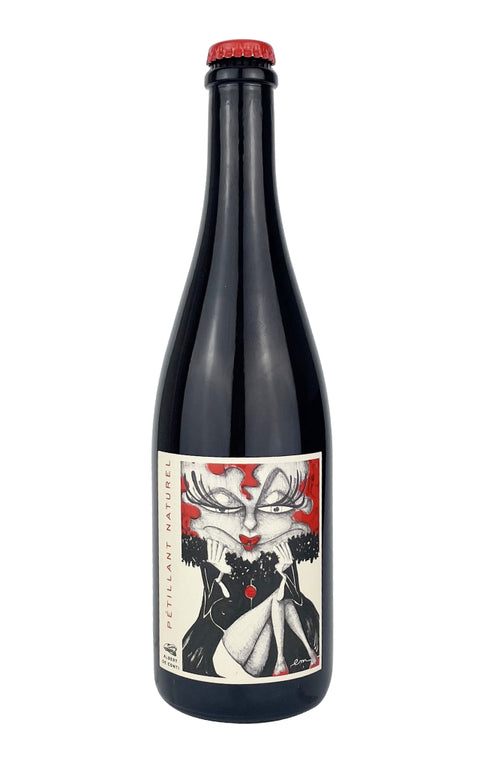
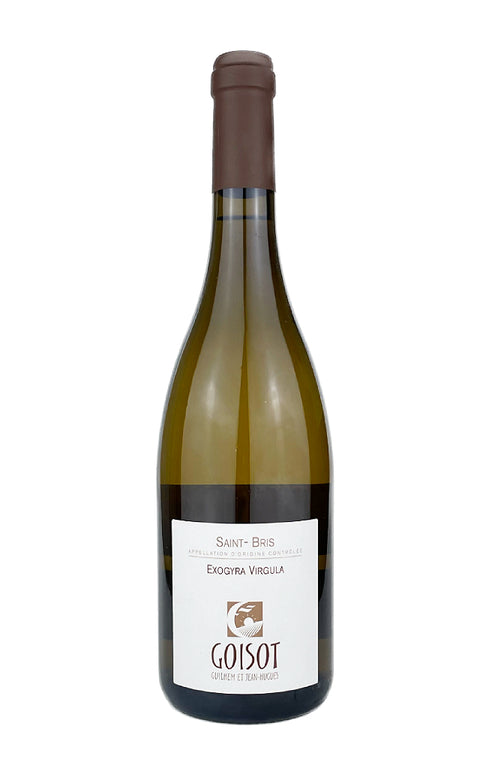
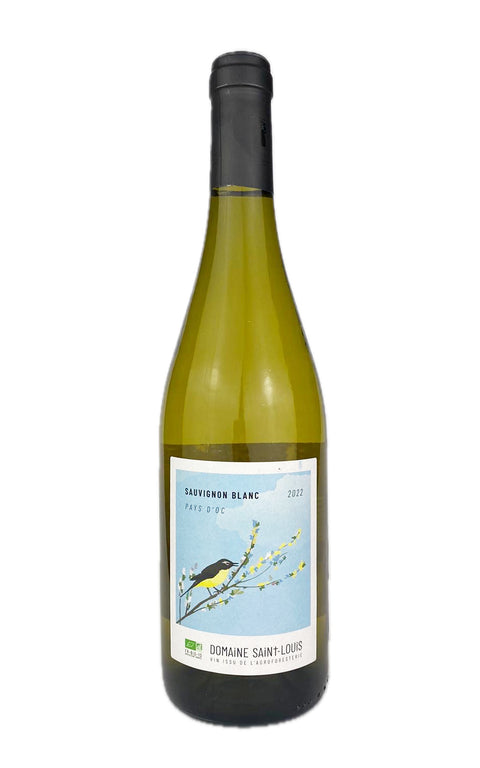
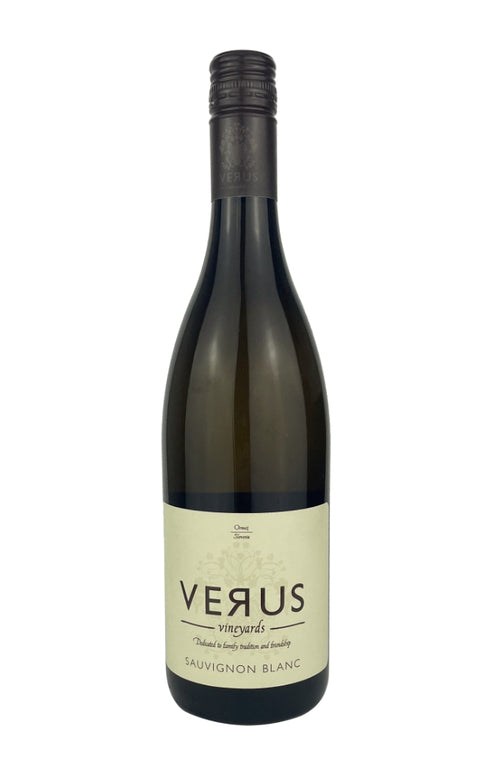
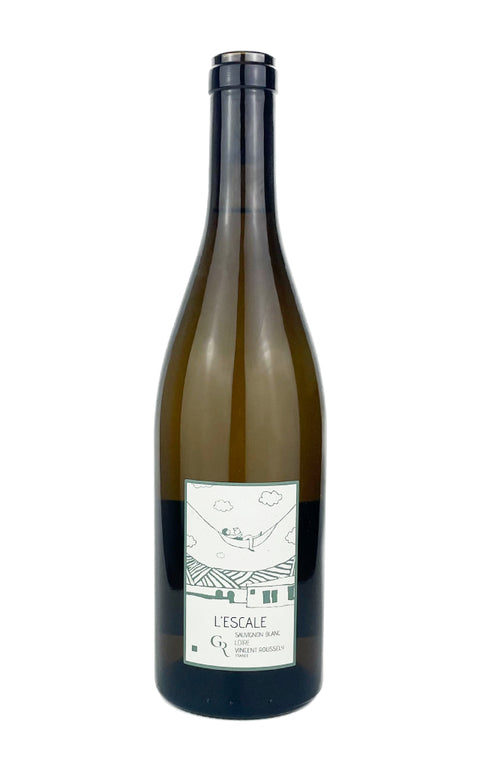
Sauvignon Blanc is a fresh, aromatic white wine known for its lively acidity and distinctive flavour profile. Depending on where it’s grown, Sauvignon Blanc wine can show notes of citrus, green apple, gooseberry, and tropical fruit, often alongside herbal or grassy aromas. Naturally high in acidity, Sauvignon Blanc white wine is crisp, refreshing, and very food-friendly, making it one of the most popular white wines worldwide. From classic styles to natural Sauvignon Blanc, organic and vegan bottlings, the grape offers plenty of variety while remaining instantly recognisable.
The style of Sauvignon Blanc changes significantly by region. In France’s Loire Valley, wines like Sancerre and Loire Valley Sauvignon Blanc are known for their minerality, freshness, and restrained fruit. Sancerre wine, made entirely from Sauvignon Blanc, is often elegant and structured, reflecting the region’s limestone-rich soils. In contrast, New Zealand Sauvignon Blanc, particularly from Marlborough, is more expressive and fruit-forward, with bold aromatics and vibrant acidity. NZ Sauvignon Blanc has become a global benchmark for the grape’s modern style.
Here you will find answers to some of the most frequently asked questions for this category.
Is Sauvignon Blanc dry or sweet?
Sauvignon Blanc is almost always made in a dry style. While some wines show ripe fruit flavours, especially from warmer regions, they typically contain very little residual sugar and are classified as dry white wines.
What type of wine is Sauvignon Blanc?
Sauvignon Blanc is a dry, aromatic white wine known for high acidity and fresh flavours. It is usually light- to medium-bodied and valued for its crisp, refreshing character.
What does Sauvignon Blanc taste like?
Flavour profiles vary by region, but common notes include citrus, green apple, gooseberry, passion fruit, and herbal or grassy aromas. Cooler-climate styles tend to be more mineral and restrained, while warmer regions produce fruitier wines.
What type of wine is a Sancerre?
Sancerre is a Sauvignon Blanc wine from the Loire Valley in France. Sancerre Sauvignon Blanc is known for its minerality, elegance, and fresh acidity rather than overt fruitiness.
Why is Sancerre so expensive?
Sancerre wine is often more expensive due to limited production, high demand, and the region’s reputation for quality. Smaller vineyard sizes, strict regulations, and higher land prices also contribute to the cost.
What is the difference between Sancerre and Chablis?
Although both are French white wines, they are made from different grapes. Sancerre is made from Sauvignon Blanc, while Chablis is made from Chardonnay. Sancerre tends to be more aromatic and herbal, while Chablis is more neutral and mineral-driven.
Is New Zealand Sauvignon Blanc one of the best?
Yes, New Zealand Sauvignon Blanc, especially from Marlborough, is widely celebrated for its vibrant aromatics, zesty citrus, and fresh herbaceous notes. Its freshness, and consistency, make it a benchmark for Sauvignon Blanc lovers worldwide.
Is Grüner Veltliner similar to Sauvignon Blanc or Riesling?
Grüner Veltliner shares freshness and acidity with Riesling but tends to be less aromatic. Compared to Sauvignon Blanc, it is usually more savoury and textured rather than overtly aromatic.
Is Assyrtiko similar to Sauvignon Blanc?
Not really. While both are crisp and acidic, Assyrtiko is much more mineral-focused with less herbaceous character than Sauvignon Blanc. Assyrtiko has better ageing potential and develops more complex flavours over time, whereas Sauvignon Blanc is typically enjoyed young and fresh.
Is Vinho Verde similar to Sauvignon Blanc?
While Vinho Verde and Sauvignon Blanc both offer crisp acidity and a refreshing quality, they are distinct in flavour. Sauvignon Blanc typically has herbaceous and citrusy notes, with a more prominent grassy or gooseberry flavour. In contrast, Vinho Verde is lighter, with subtle floral and citrus notes, sometimes exhibiting a delicate effervescence. While both wines are great for similar occasions, Vinho Verde offers a unique Portuguese twist with its effervescence and distinct regional flavours.
What is the difference between Chardonnay and Sauvignon Blanc?
Chardonnay typically offers apple, pear and tropical fruit flavours, while Sauvignon Blanc displays herbaceous, grassy notes with citrus and gooseberry characteristics. Chardonnay is generally medium to full-bodied with a rounder texture, whereas Sauvignon Blanc is lighter with crisper acidity. Traditional Chardonnay often undergoes malolactic fermentation and oak ageing, while Sauvignon Blanc is typically fermented in stainless steel to preserve freshness. Both varieties create fascinating expressions when produced as natural wines, including orange wine styles with extended skin contact.
Is Grüner Veltliner the same as Sauvignon Blanc?
No, Grüner Veltliner and Sauvignon Blanc are different varieties. Grüner Veltliner is Austrian, known for its spicy, peppery notes, while Sauvignon Blanc has a more herbaceous, grassy profile.
Is Sauvignon Blanc good with food?
Yes, Sauvignon Blanc’s high acidity makes it very food-friendly. It pairs well with seafood, salads, goat’s cheese, fresh vegetables, and lighter dishes, particularly those with citrus or herbal flavours.
What does “Sauv Blanc” mean?
Sauv Blanc is simply a shortened, informal way of referring to Sauvignon Blanc, commonly used on wine lists and in conversation.