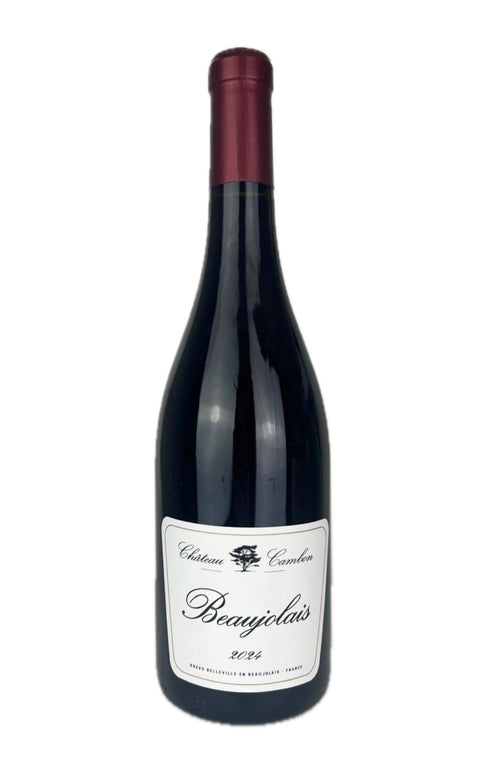
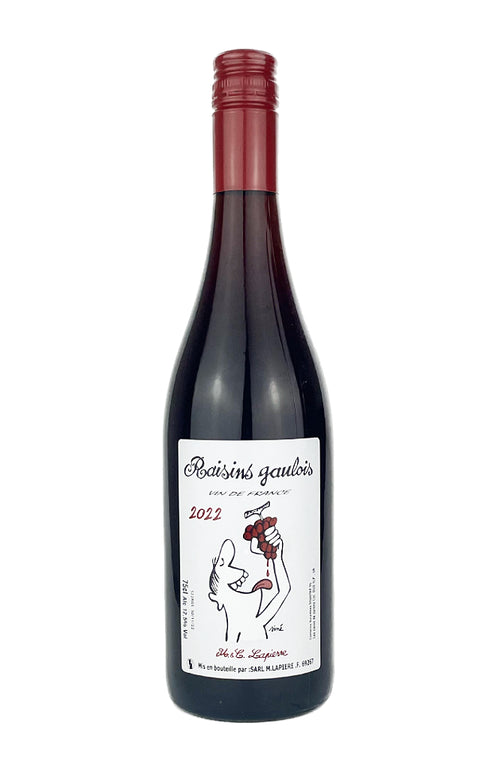
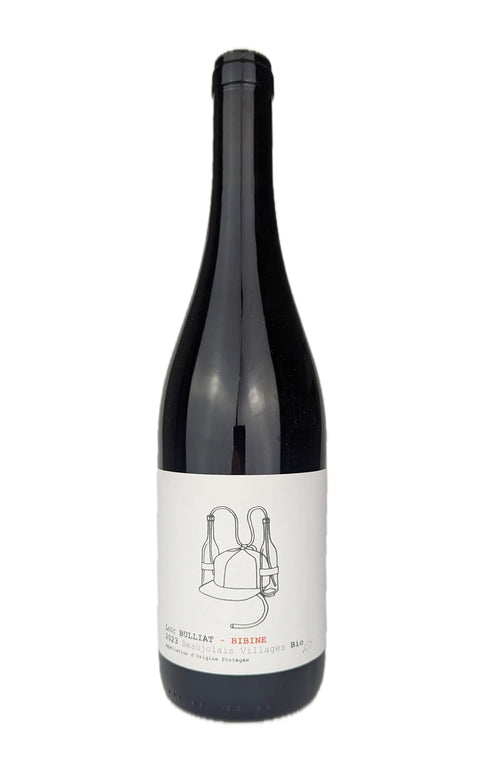
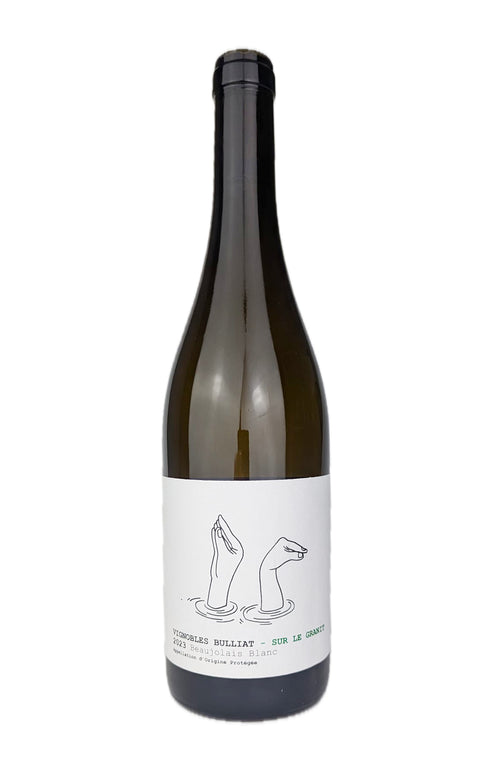
Discover Beaujolais wine, coming from a region just south of Burgundy, and made almost entirely from the Gamay grape. Known for its bright fruit, freshness and easy drinkability, Beaujolais red wine is typically light to medium-bodied with flavours of cherry, raspberry and soft spice. These lively Gamay wines are loved for their vibrant character and food-friendly style, which work also very well chilled.
The region produces a range of styles, from simple and youthful wines to more structured expressions from specific villages and crus. Beaujolais Villages wine offers a step up in concentration, while the ten Beaujolais crus include well-known appellations such as Morgon and Brouilly, which produce deeper and more complex wines. The region is also famous for Beaujolais Nouveau, a fresh, early-release wine celebrated each year shortly after harvest.
Here you will find answers to some of the most frequently asked questions for this category.
What is Beaujolais wine?
Beaujolais wine is a red wine produced in the Beaujolais region of eastern France, made almost entirely from the Gamay grape. The wines are known for their bright fruit flavours, lively acidity and approachable style. While many Beaujolais wines are designed to be enjoyed young and fresh, the region also produces more complex wines from specific villages and crus.
Where is Beaujolais wine from?
Beaujolais is located in eastern France, just south of Burgundy and north of Lyon. Although historically connected to Burgundy, the region has developed its own identity and winemaking tradition centred around the Gamay grape.
What type of wine is Beaujolais?
Most Beaujolais wines are light to medium-bodied red wines with bright acidity and soft tannins. They are typically fruit-forward and easy to drink, making them a popular choice for casual meals and everyday drinking.
What does Beaujolais wine taste like?
Beaujolais wines often show flavours of cherry, raspberry and strawberry, sometimes alongside floral or lightly peppery notes. In higher-quality wines, especially from crus, you may also find deeper flavours such as plum, spice and subtle earthy tones.
What is the Beaujolais grape?
The main grape used in Beaujolais is Gamay. This variety produces vibrant red wines with juicy fruit flavours, moderate alcohol and refreshing acidity, making it particularly well suited to the region’s soils and climate.
What is Beaujolais Villages wine?
Beaujolais Villages wines come from selected villages within the region that are considered capable of producing higher-quality wines. These wines are generally more concentrated and structured than basic Beaujolais while still retaining the freshness typical of Gamay.
What are Beaujolais crus?
The top wines of the region come from ten specific crus, including Morgon and Brouilly. These wines often show greater depth, complexity and ageing potential, and can sometimes resemble lighter styles of Burgundy.
What is Beaujolais Nouveau?
Beaujolais Nouveau is a very young wine made from Gamay and released just weeks after harvest. It’s designed to be light, fruity and immediately drinkable, showcasing Gamay’s juicy, vibrant character rather than complexity or ageing potential.
Is Gamay the same as Beaujolais wine?
Beaujolais wine is made almost exclusively from the Gamay grape. While “Gamay” refers to the grape itself, “Beaujolais” refers to the region and wine style, which can range from fresh and youthful to more serious and age-worthy.
Is Beaujolais Nouveau good quality wine?
Beaujolais Nouveau is not about ageing or structure: it’s about freshness and fun. While it’s not meant to be complex, well-made examples can be delicious, bright and joyful expressions of the Gamay grape when enjoyed young.
What foods pair well with Beaujolais Nouveau?
It’s incredibly versatile. Try it with: roast chicken or turkey, charcuterie boards, pâté and terrines, Comté or soft cheeses, casual snacks (crisps, olives, anchovies). And don’t be afraid to chill it slightly, it makes the fruit even brighter.
What makes Beaujolais Nouveau different from regular Beaujolais wine?
Beaujolais Nouveau is made to be enjoyed young. It’s fermented quickly (a matter of weeks rather than months), resulting in a fresh, juicy, ultra-light red with bright fruit and almost no tannins. Classic Beaujolais and cru Beaujolais wines usually have more structure, depth, and ageing potential.
Is Beaujolais a light red wine?
Yes, Beaujolais is a light red wine made primarily from the Gamay grape. It’s known for its bright acidity, low tannins, and juicy red fruit flavours, making it fresh, easy-drinking, and often enjoyed slightly chilled.
Is Beaujolais always light-bodied?
Many Beaujolais wines are light and fresh, but some crus can be more structured and complex. Wines from areas like Morgon or Moulin-à-Vent can have greater depth and can even age for several years.
Is there a natural wine scene in Beaujolais?
Yes. Beaujolais has played an important role in the development of the natural wine movement. Many producers farm organically and use low-intervention winemaking techniques to highlight the pure fruit character of Gamay and the individuality of each vineyard.