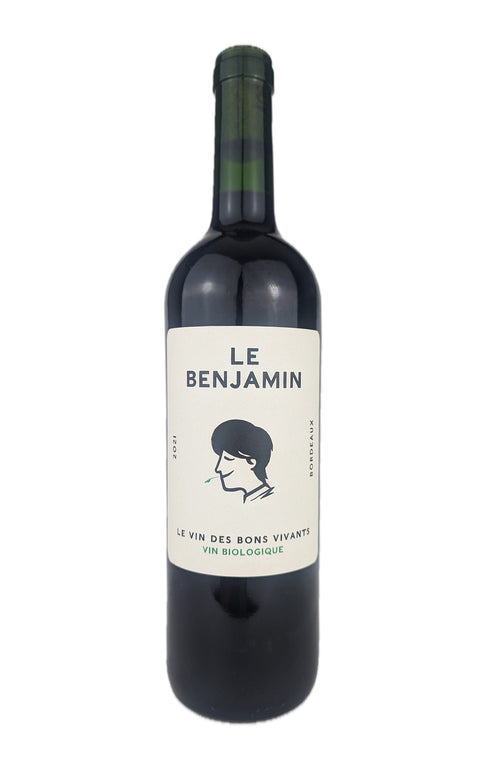
Bordeaux is one of the world’s most famous wine regions and the home of the classic Bordeaux blend, a style of French red wine built around grapes such as Merlot, Cabernet Sauvignon and Cabernet Franc. Bordeaux red wine is known for its balance of ripe fruit, structure and savoury depth, with flavours often ranging from blackcurrant and plum to cedar, spice and earthy notes as the wine develops.
Many traditional Bordeaux wines are blends, with Merlot wine often providing softness and richness while Cabernet Sauvignon adds structure and ageing potential. The region includes prestigious appellations such as Saint-Émilion, where Merlot-led wines are known for their generosity and elegance. Historically referred to as Claret wine in the UK, Bordeaux remains a benchmark for classic French wine, offering styles that range from approachable everyday bottles to complex, cellar-worthy wines.
Here you will find answers to some of the most frequently asked questions for this category.
What is Bordeaux wine?
Bordeaux wine comes from the Bordeaux region in southwest France and is one of the most recognised wine styles in the world. The region produces both red and white wines, but it is particularly famous for structured, balanced red blends.
What grapes are used in Bordeaux wine?
Most red Bordeaux wines are blends of Merlot, Cabernet Sauvignon and Cabernet Franc. Smaller amounts of grapes such as Petit Verdot or Malbec may also be included to add colour, structure or spice.
What does Bordeaux red wine taste like?
Bordeaux red wine often shows flavours of blackcurrant, plum, blackberry and dark cherry, alongside notes of cedar, tobacco, graphite or spice. As the wine ages, more savoury and earthy characteristics can develop.
What is Claret wine?
Claret is the traditional British term for red Bordeaux wine. Historically used by merchants in the UK, the name is still widely used today to describe classic red Bordeaux styles.
Is Bordeaux wine always expensive?
While Bordeaux includes some of the world’s most famous and costly wines, there are also many excellent and affordable bottles available. Many everyday Bordeaux wines offer great value and a classic expression of the region.
What is St Emilion wine?
Saint-Émilion is one of the most respected Bordeaux appellations and is known for wines dominated by Merlot. These wines are often plush, rich and approachable while still offering complexity and ageing potential.
Is Bordeaux wine good for ageing?
Many Bordeaux wines are designed to age well thanks to their balance of tannin, acidity and fruit. Higher-quality wines can evolve for decades, developing more complex aromas and flavours over time.
Is Bordeaux similar to Merlot wine?
Merlot is one of the key grapes used in Bordeaux blends, especially on the right bank of the region. As a result, many Bordeaux wines share Merlot’s soft texture and ripe fruit character.
What food pairs well with Bordeaux wine?
Bordeaux red wines pair beautifully with roast meats, lamb, beef dishes, mushrooms and aged cheeses. Their structure and savoury notes make them particularly well suited to hearty meals.
Is there a natural wine scene in Bordeaux?
Yes, although Bordeaux has a reputation for traditional winemaking, a growing number of producers are now embracing organic farming and low-intervention or natural wine practices. These winemakers focus on healthier vineyards, minimal additives and gentler winemaking to highlight the character of the grapes and terroir. While still a small part of the region overall, this movement is bringing new energy to Bordeaux and producing fresher, more expressive wines that appeal to modern drinkers.
What’s the difference between Left Bank and Right Bank Bordeaux?
Left Bank and Right Bank refer to the two sides of the Gironde Estuary in Bordeaux. Left Bank wines, from areas like Médoc, are usually Cabernet Sauvignon–led and more structured. Right Bank wines, including Saint-Émilion, tend to be Merlot-based and softer, with richer plum and dark fruit flavours.
What are the five blending grapes of Bordeaux?
The five main red blending grapes of Bordeaux are Cabernet Sauvignon, Merlot, Cabernet Franc, Petit Verdot and Malbec.
What is a Bordeaux blend?
A Bordeaux blend refers to a wine made from a combination of traditional Bordeaux grape varieties. The exact proportions vary depending on the producer and sub-region, but Merlot and Cabernet Sauvignon are typically the backbone.
Is Cabernet Franc used in Bordeaux wines?
Yes, Cabernet Franc is commonly used in Bordeaux blends, especially on the Right Bank in Saint-Émilion and Pomerol. It adds freshness, aromatics and structure to Merlot-led wines.