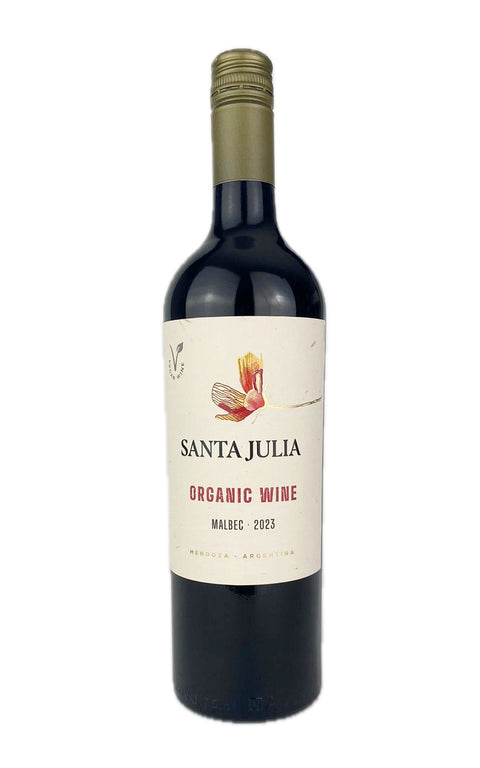
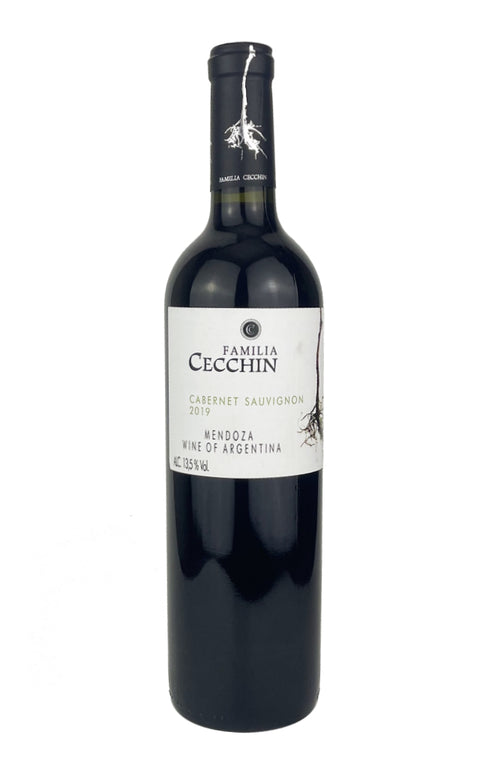
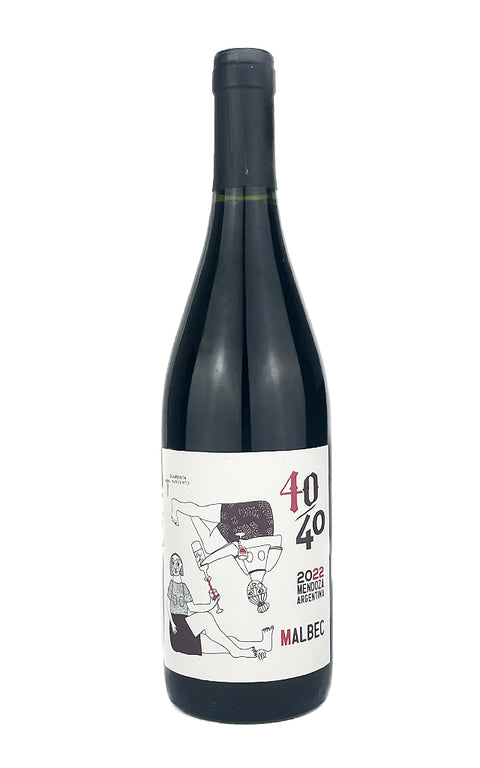
Mendoza is the beating heart of Argentinian wine, producing the majority of the country’s bottles and defining its global reputation. Nestled at the foot of the Andes, this high-altitude region combines intense sunlight, cool nights and dry conditions to create wines with both ripeness and freshness. While a range of grapes thrive here, Mendoza Malbec has become iconic, a style that is generous, fruit-driven and deeply drinkable, yet increasingly shaped by terroir and more thoughtful, low-intervention approaches.
Today, Mendoza is far more than just Malbec. Alongside classic, full-bodied Argentinian red wines, you’ll find fresher, higher-altitude expressions, lighter styles, and a growing number of producers working organically or with minimal intervention. From structured reds to vibrant, modern wines, Mendoza offers a dynamic and evolving take on what Argentinian wine can be.
Here you will find answers to some of the most frequently asked questions for this category.
Where is Mendoza wine from?
Mendoza is a wine region in western Argentina, located at the foothills of the Andes mountains. It is the country’s most important wine-producing area, responsible for a large share of Argentina’s total wine output. The region’s altitude, often between 600 and 1,200 metres, plays a key role in shaping the style and quality of its wines.
What is Mendoza Malbec?
Mendoza Malbec is a style of red wine made from the Malbec grape, which has become Argentina’s flagship variety. In Mendoza, Malbec produces deeply coloured wines with ripe fruit flavours, a smooth texture and a characteristic velvety finish, making it both approachable and expressive.
What does Mendoza wine taste like?
Mendoza wines, especially reds, tend to be bold and fruit-forward, with flavours of blackberry, plum and cherry, often layered with spice, chocolate or floral notes. Thanks to the high altitude, many wines also retain freshness and balance despite their richness.
Why is Mendoza so good for wine?
The region benefits from a unique combination of high altitude, intense sunlight, low rainfall and cool nights. This allows grapes to ripen fully while maintaining acidity and structure, resulting in wines that are both powerful and balanced.
Is all Mendoza wine Malbec?
No. While Malbec is the most famous grape, Mendoza also produces a wide range of wines including Cabernet Sauvignon, Syrah, Chardonnay and Torrontés. However, Malbec remains the defining style of the region.
What food pairs well with Mendoza Malbec?
Mendoza Malbec is a classic pairing for grilled meats, especially beef, reflecting Argentina’s asado culture. It also works well with roasted dishes, rich stews and aged cheeses, thanks to its bold fruit and balanced tannins.
What is high-altitude wine in Mendoza?
High-altitude wines come from vineyards planted at higher elevations, often above 1,000 metres. These wines tend to be fresher, more structured and more aromatic, with greater acidity and precision compared to lower-altitude styles.
Is Mendoza wine always full-bodied?
Traditionally, many Mendoza reds are full-bodied, especially Malbec. However, newer styles, particularly from higher altitudes or low-intervention producers, can be lighter, fresher and more restrained, offering a different expression of the region.
Is there a natural wine scene in Mendoza?
Yes. Mendoza has a growing community of producers working organically, biodynamically and with minimal intervention. These wines often focus on purity, freshness and a clearer expression of vineyard sites, moving away from heavily oaked or overly extracted styles.
Is Mendoza wine good value?
Mendoza wines are often considered excellent value, offering high-quality, characterful wines at accessible prices. This balance of quality and affordability has played a key role in the global success of Argentinian Malbec.