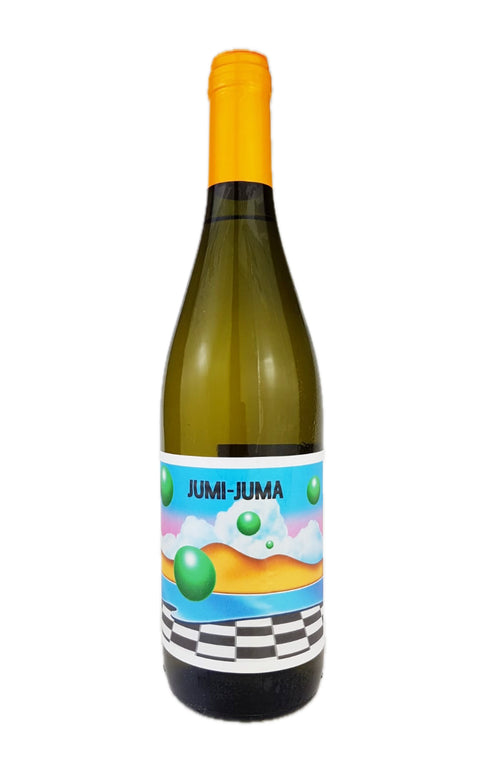
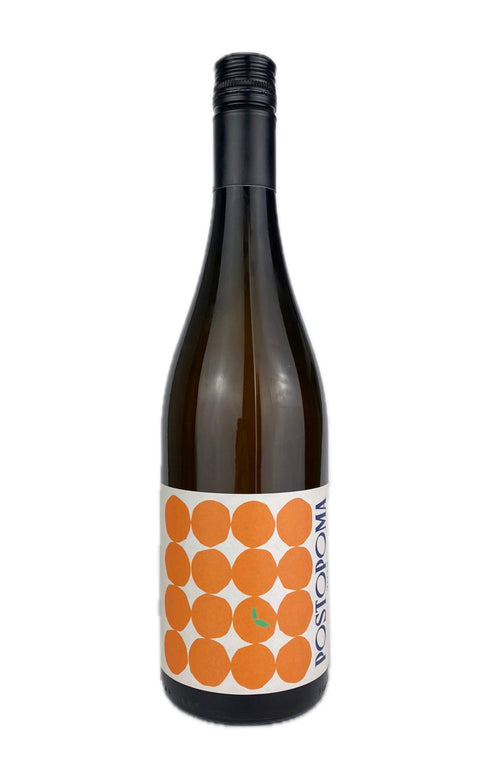
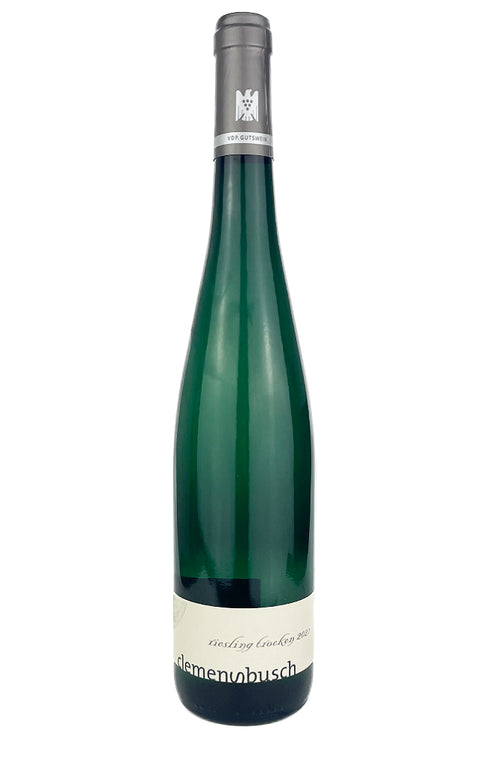
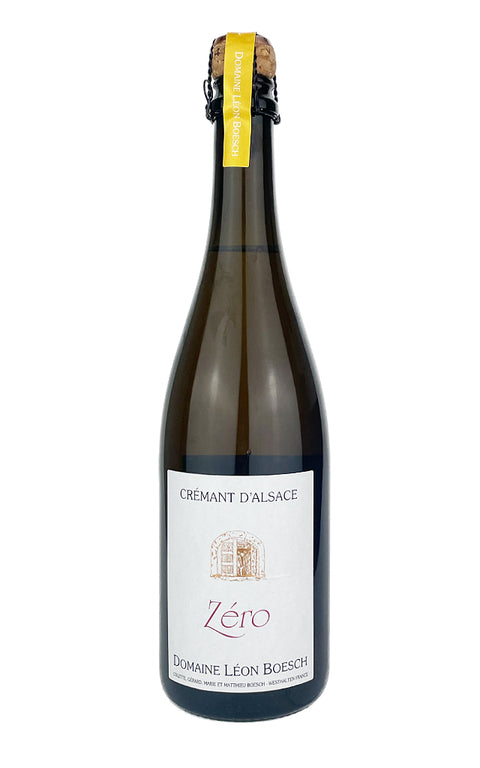
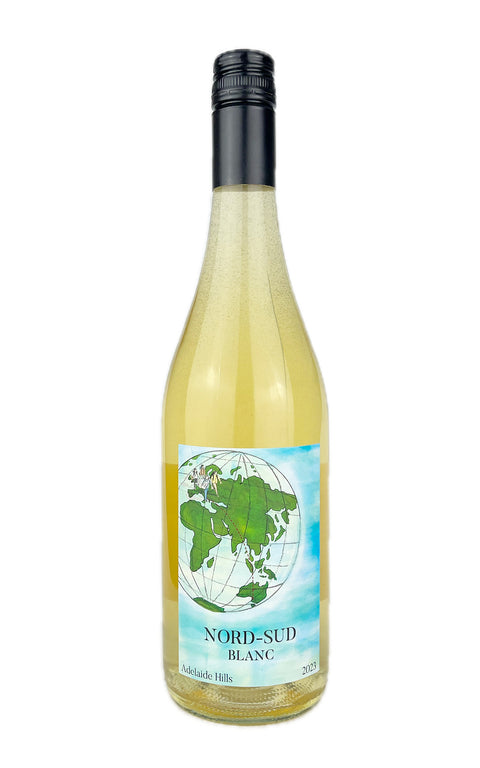
Discover our Riesling curated selection, one of the world’s most appreciated and age-worthy white grape varieties. Riesling is most closely associated with Germany, where it is the country’s flagship grape, and is also widely grown in Alsace, Austria and parts of Australia. It thrives in cool climates, producing wines with naturally high acidity and a strong sense of place.
Riesling is made in a wide range of styles, from bone-dry to lusciously sweet, with alcohol levels often lower than many other white wines. Typical flavours include citrus, green apple, stone fruit and white flowers, with mineral and petrol notes developing with age. Its clarity, freshness and versatility make Riesling a favourite among sommeliers and natural wine producers alike.
Here you will find answers to some of the most frequently asked questions for this category.
What is Riesling?
Riesling is a white grape variety originating from Germany, known for its high acidity and ability to express terroir. It is used to produce dry, off-dry and sweet wines.
Where is Riesling most commonly grown?
Riesling is most famously grown in Germany, particularly in regions such as Mosel, Rheingau and Pfalz. It is also prominent in Alsace, Austria, Australia and Central Europe.
What is Riesling flavour profile?
Riesling typically shows flavours of lime, lemon, green apple and peach, often accompanied by floral or mineral notes. With age, it can develop distinctive petrol or kerosene aromas.
Is Riesling always sweet?
No, Riesling can be completely dry, off-dry or sweet depending on how it is made. Many modern Rieslings, especially from Alsace and Austria, are produced in dry styles.
Is Riesling a low-alcohol wine?
Many Rieslings have naturally lower alcohol levels due to early harvesting and high acidity. This makes it a popular choice for those seeking fresher, lighter white wines.
Does Riesling age well?
Yes, high-quality Riesling is one of the most age-worthy white wines in the world. Its acidity allows it to develop complexity over decades.
Is Riesling suitable for organic and natural winemaking?
Riesling adapts well to organic and natural viticulture, particularly in cooler climates. Many producers use minimal intervention to highlight purity and terroir.
What makes German Riesling special?
German Riesling is known for its precision, low alcohol and striking balance between acidity and fruit. Cool climates and steep vineyard sites allow for long ripening, resulting in wines with clarity, freshness and exceptional ageing potential.
What food pairs well with Riesling?
Riesling pairs particularly well with spicy dishes, Asian cuisine, seafood, pork and dishes with acidity or sweetness. Its freshness also makes it a strong match for cheese, especially washed-rind and soft styles.