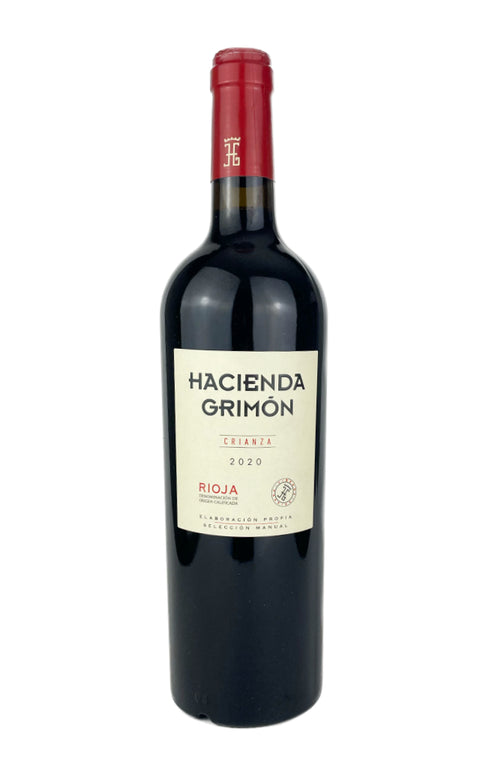
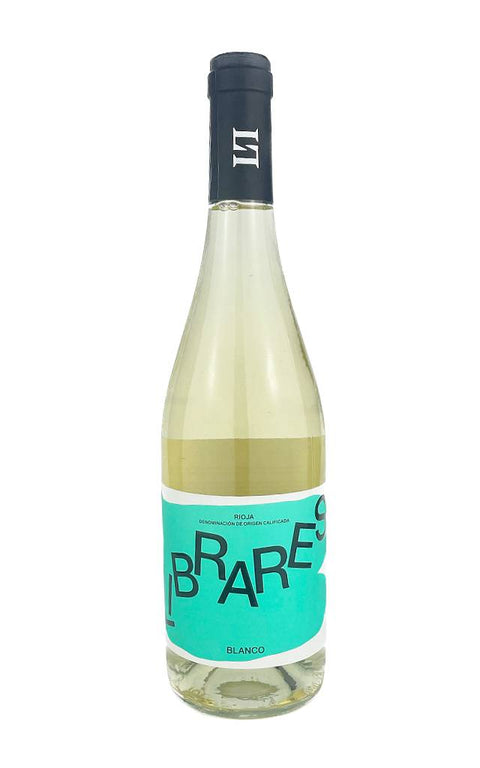
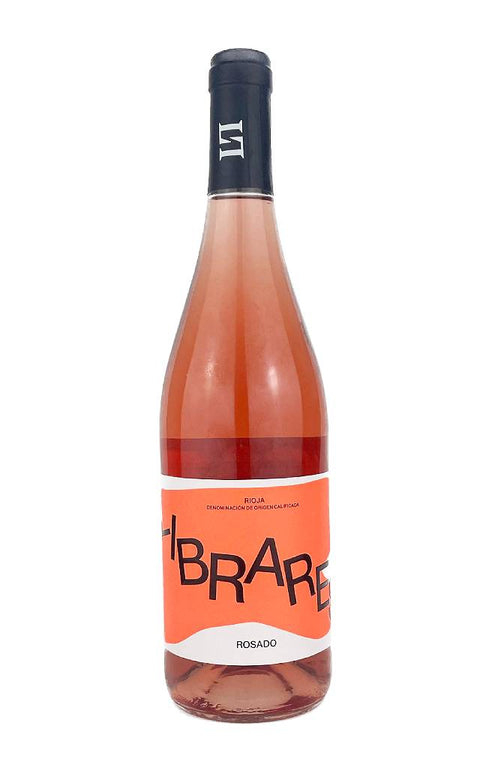
Discover Rioja, one of Spain’s most famous wine regions, known for elegant, expressive wines built around the Tempranillo grape. Rioja wine is most often red, combining ripe red fruit with subtle spice, vanilla and savoury notes that develop through ageing. Classic Rioja red wine balances fruit, freshness and gentle structure, making it one of the most versatile and food-friendly styles of Spanish red wine.
While Tempranillo wine forms the backbone of most Rioja blends, grapes such as Garnacha also play an important role, adding warmth and ripe fruit character. The region produces wines in a range of ageing styles, from youthful expressions to complex Gran Reserva wines that spend years developing before release. Rioja also produces increasingly respected white Rioja wines, offering textured, characterful Spanish white wine styles. At Forest Wines, we focus on Rioja producers who prioritise thoughtful vineyard work and minimal intervention, highlighting the freshness and authenticity of modern Spanish wine.
Here you will find answers to some of the most frequently asked questions for this category.
What is Rioja wine?
Rioja wine comes from the Rioja region in northern Spain and is one of the country’s most recognised wine styles. The region produces both red and white wines, though it is best known for its elegant red blends built around Tempranillo.
What grapes are used in Rioja wine?
The main grape in Rioja is Tempranillo, which provides structure, freshness and classic red fruit flavours. Other varieties such as Garnacha, Graciano and Mazuelo are often blended in to add depth and complexity.
What does Rioja red wine taste like?
Rioja red wine typically shows flavours of cherry, plum and red berries, often combined with notes of spice, vanilla, cedar or leather from ageing in oak barrels.
What is Rioja Tempranillo?
Rioja Tempranillo refers to wines where Tempranillo is the dominant grape. It’s the backbone of the region’s red wines and contributes balance, structure and the ability to age gracefully.
What is Garnacha in Rioja?
Garnacha (known as Grenache in France) is often blended with Tempranillo in Rioja. It brings warmth, ripe fruit and softness to the wine, especially in wines from warmer parts of the region.
What is Gran Reserva Rioja?
Gran Reserva wines are Rioja’s longest-aged category. These wines spend extended time in both barrel and bottle before release, developing complex flavours and a smoother, more evolved character.
Does Rioja make white wine?
Yes. White Rioja wines are traditionally made from grapes such as Viura and can range from fresh and crisp to richer, textured styles depending on the winemaking approach.
Is Rioja always aged in oak?
Many classic Rioja wines are aged in oak barrels, which gives them their characteristic spice and vanilla notes. However, some modern producers are experimenting with fresher, less heavily oaked styles.
Is Rioja a good value wine?
Rioja is widely regarded as one of the best-value classic wine regions. It offers well-structured, age-worthy wines at prices that are often more accessible than comparable regions.
Is Rioja good with food?
Yes. Rioja pairs beautifully with grilled meats, lamb, roasted vegetables and Spanish dishes. Its balance of fruit, acidity and structure makes it very versatile at the table.
What’s the difference between Crianza, Reserva and Gran Reserva Rioja?
These terms refer to how long the wine is aged before release. Crianza Rioja is typically aged for around two years, with at least some time in oak. Reserva wines spend longer ageing, developing more complexity and structure. Gran Reserva wines are aged the longest, often for several years in both barrel and bottle, resulting in deeper, more mature flavours.
Is there a natural wine scene in Rioja?
Yes. While Rioja is known for traditional oak-aged wines, a growing number of producers are embracing organic farming and low-intervention winemaking. These winemakers often focus on old vineyards, native grape varieties and minimal cellar intervention, producing fresher, more expressive Rioja wines that highlight the character of the region.