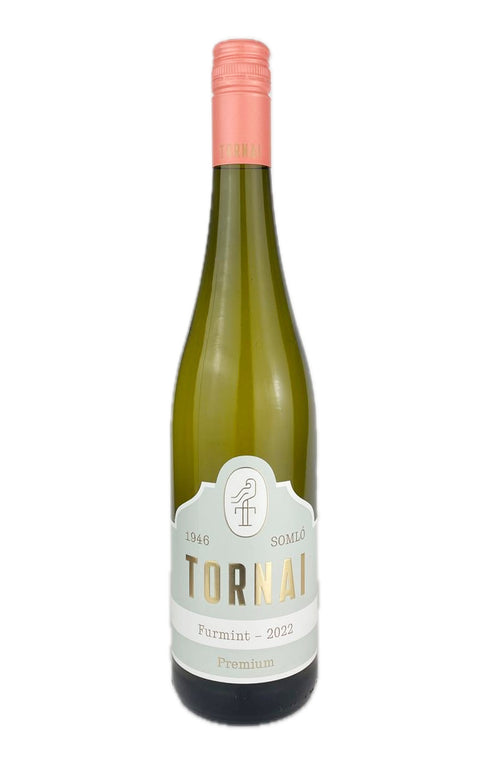
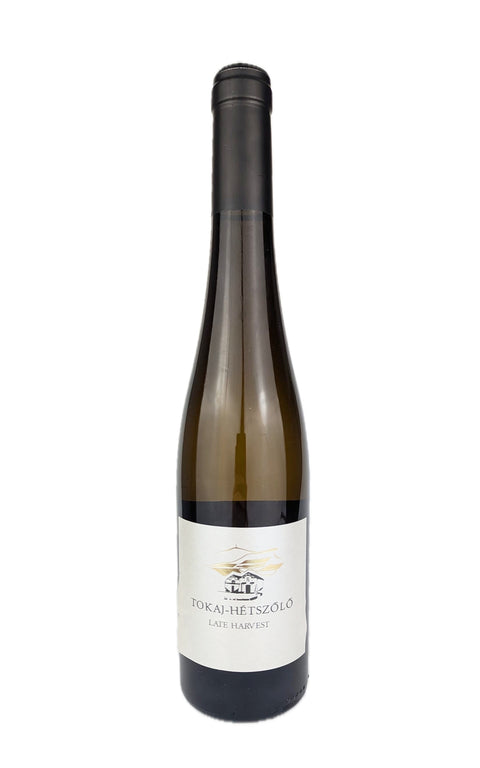
Furmint is the hidden gem of Hungary! Cultivated across the country, but especially in the Tokaj regions at the foothills of the Zemplén Mountains, it's also produced in Austria & Solvakia. You might have heard of it before from the popular Tokaj dessert wine, also made of Furmint.
Versatile, delicate, and full of floral notes, Furmint wine can even be considered for ageing. Plus, every 1st of Feb, celebrate Furmint Day with us!
Here you will find answers to some of the most frequently asked questions for this category.
What is Furmint wine?
Furmint is a white grape variety most famously grown in Hungary, particularly in the Tokaj region. It is highly versatile, producing everything from bone-dry, crisp wines to luscious, sweet dessert wines like Tokaji Aszú.
Where is Furmint grown?
Furmint is primarily associated with Tokaj, Hungary, but can also be found in Slovakia and small plantings elsewhere in Central Europe. Its volcanic and clay-rich soils, combined with the region’s continental climate, give it remarkable minerality and acidity.
What is Furmint Day?
Furmint Day is celebrated annually on February 1st to honour this historic grape variety and showcase its diversity. Winemakers and enthusiasts highlight different styles of Furmint, from fresh, zesty wines to rich, botrytised sweet wines.
What makes Furmint special?
Furmint is prized for its high acidity, age-worthiness, and expressive flavours. It can develop complex notes of green apple, citrus, apricot, and honey, and is uniquely suited for both dry and sweet styles, making it extremely versatile.
What is the flavour profile of Furmint?
Dry Furmint often shows crisp green apple, lemon zest, and wet stone minerality, while sweet Furmints (like Tokaji Aszú) bring layered notes of apricot, orange peel, honey, and spice. Its texture ranges from lean and racy to rich and velvety.
How should Furmint be paired with food?
Dry Furmint pairs beautifully with seafood, poultry, and light creamy dishes, while sweet Tokaji Furmint works with blue cheese, foie gras, or desserts. Its high acidity makes it extremely food-friendly and versatile at the table.
Is Furmint similar to Riesling?
Furmint is often compared to Riesling because both grapes have naturally high acidity, strong terroir expression, and excellent ageing potential. While Riesling tends to be more aromatic and floral, Furmint is usually more mineral-driven, structured, and savoury, especially in dry styles from Tokaj.
What grapes is Furmint most similar to?
Furmint is most often likened to Riesling, Chenin Blanc, and Grüner Veltliner. Like these varieties, it balances acidity and texture beautifully, works well in both dry and sweet wines, and reflects soil and climate very clearly, particularly in volcanic terroirs.