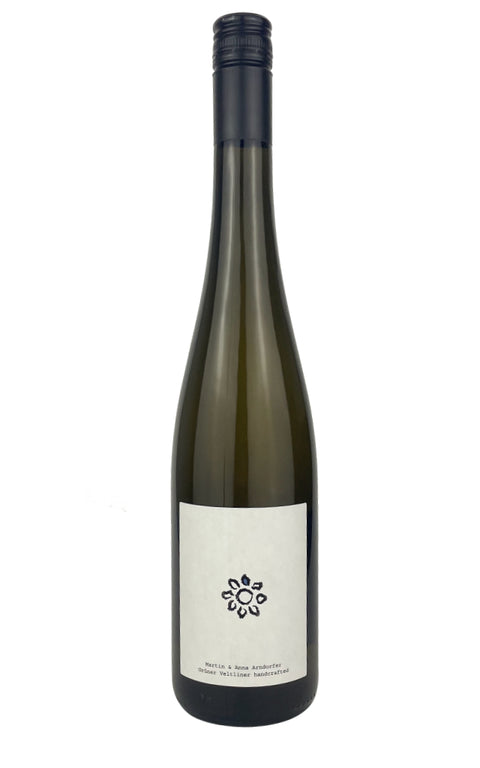
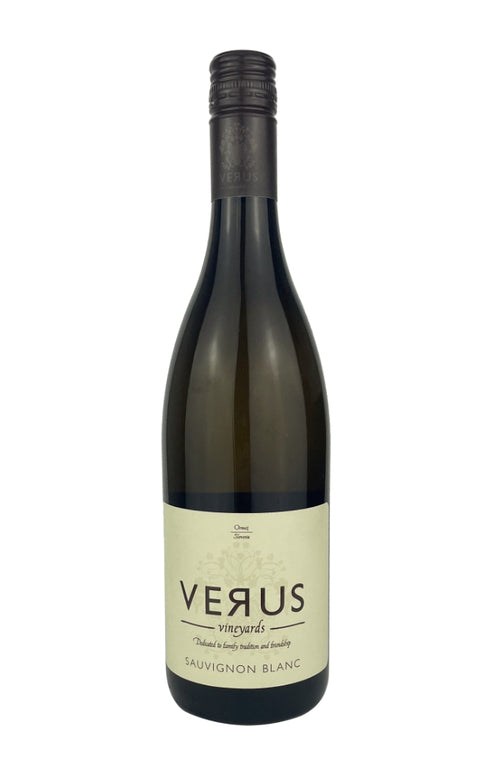
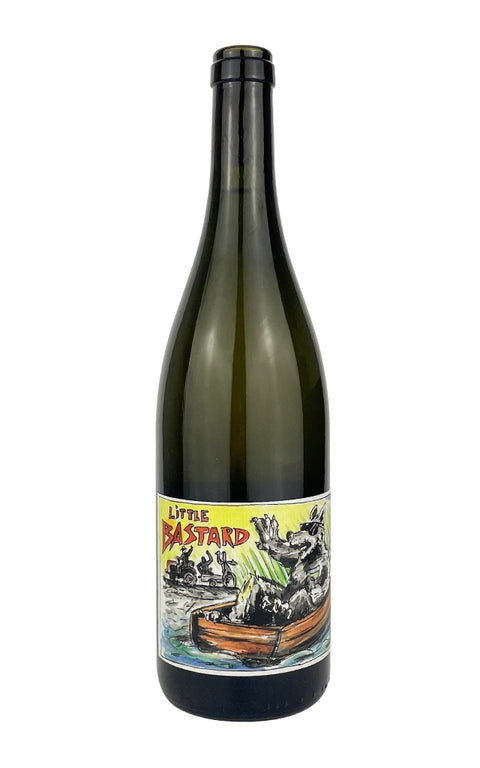
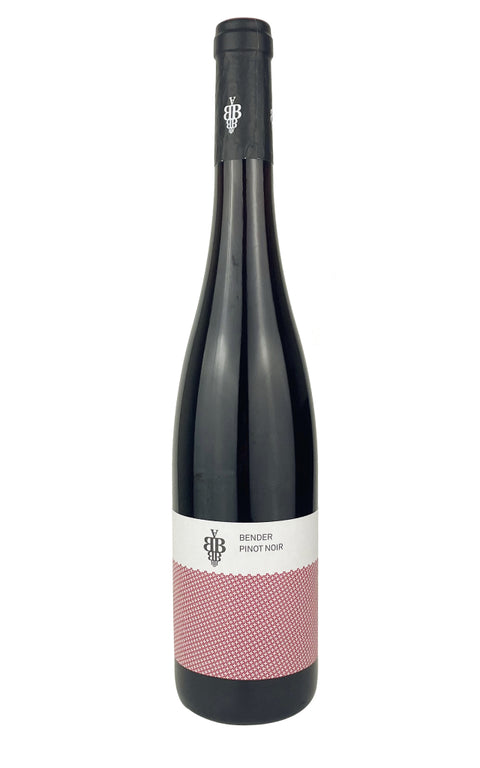
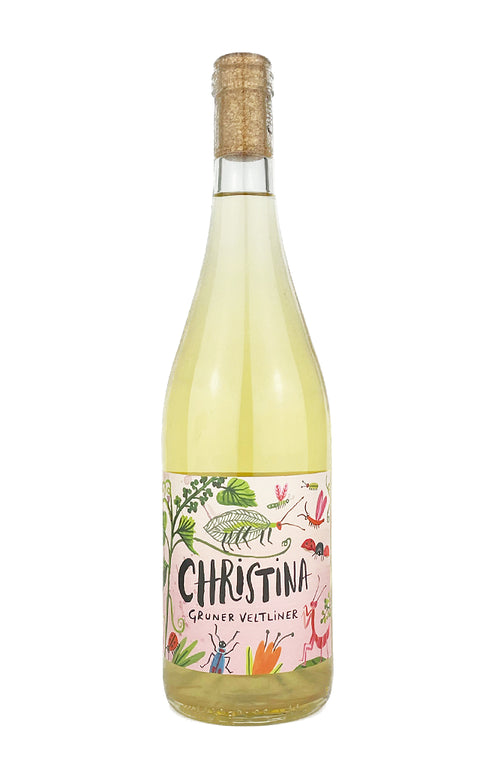
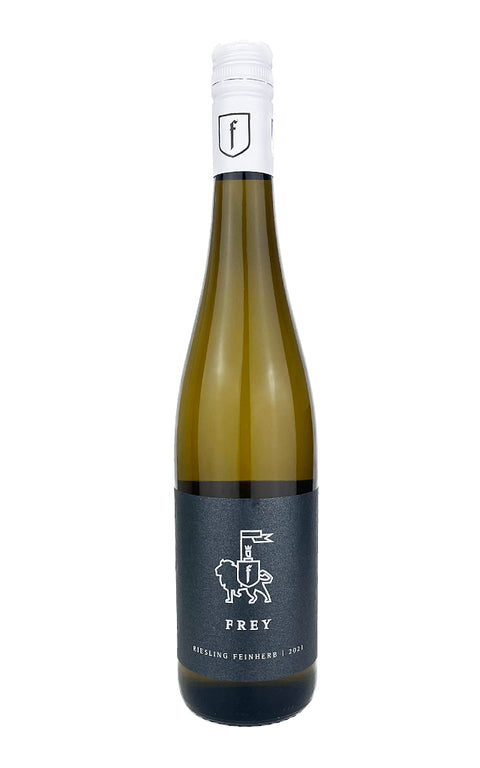
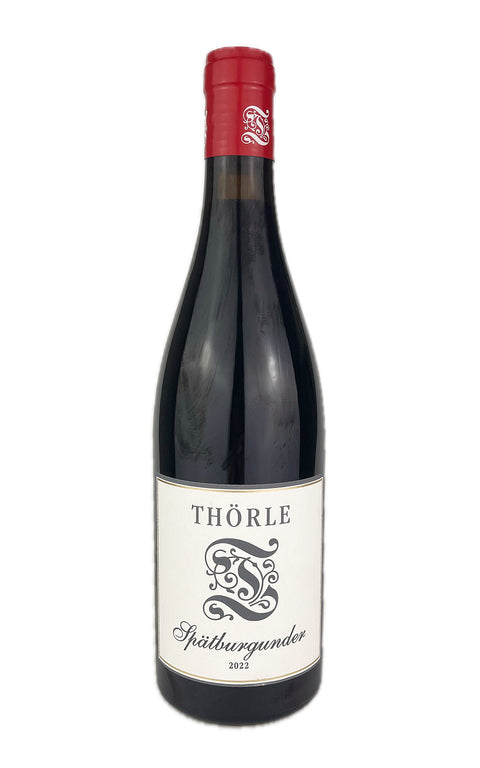
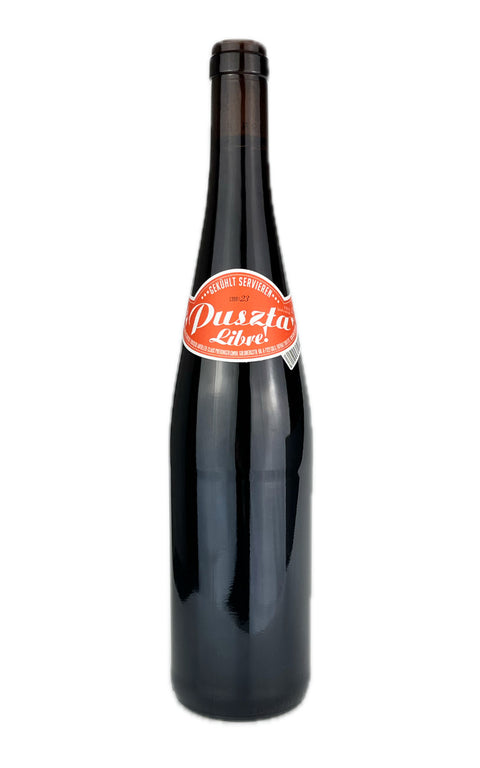
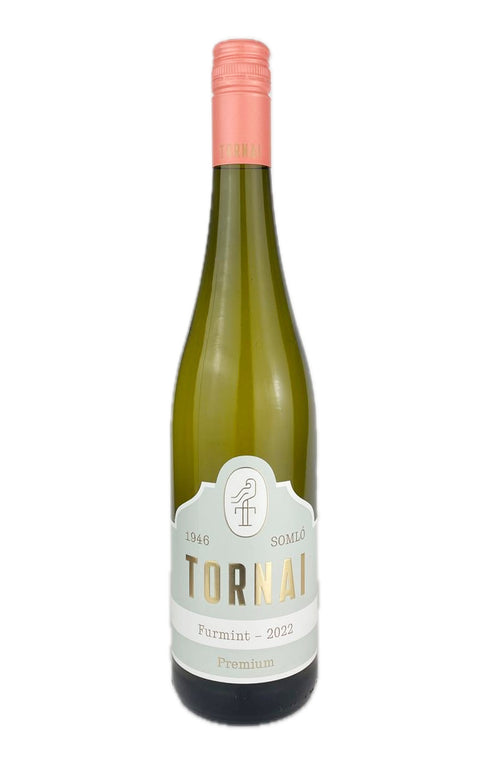
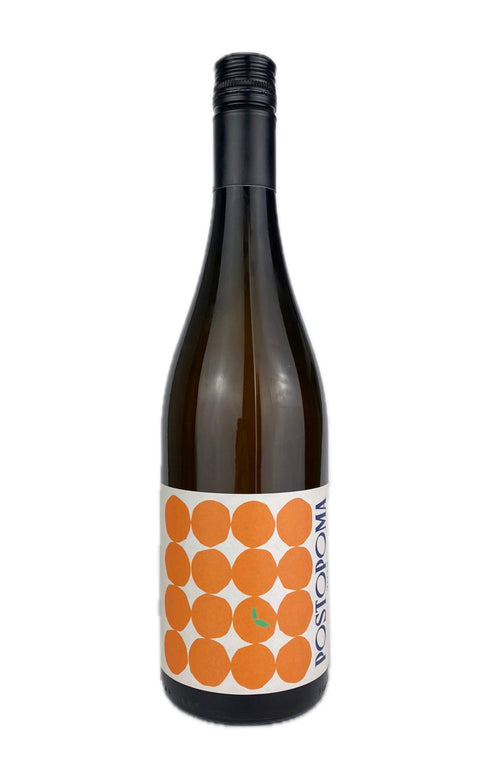
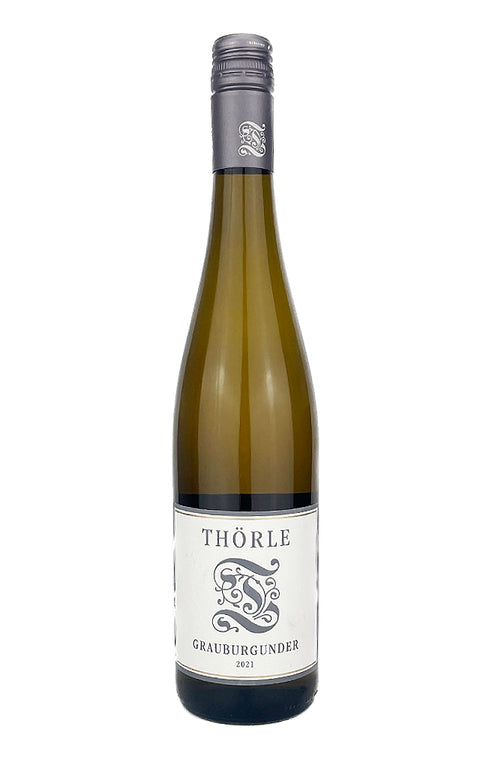
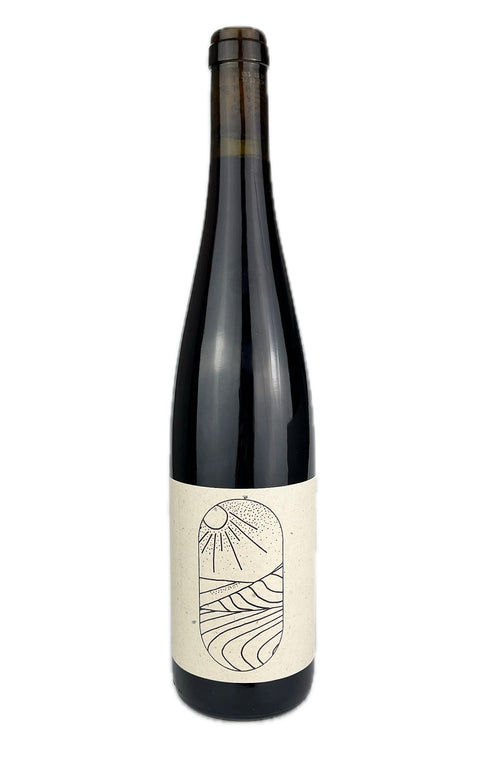
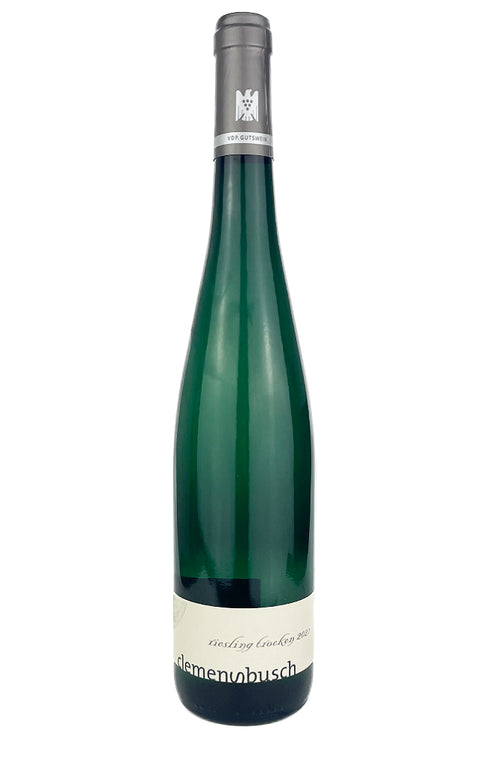
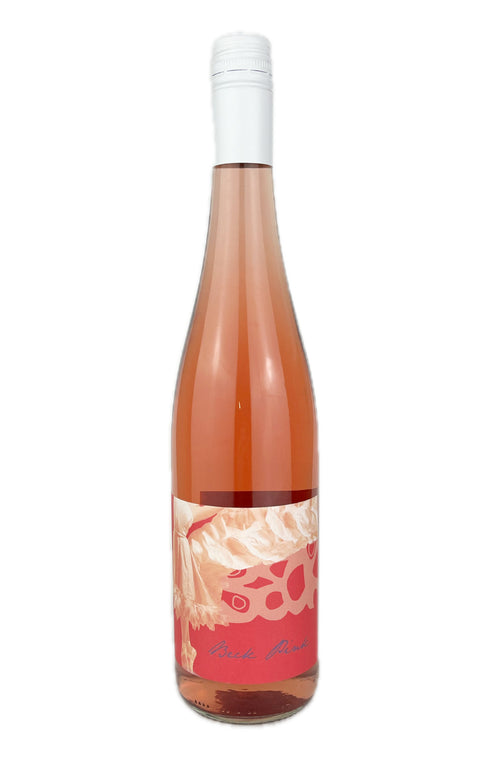
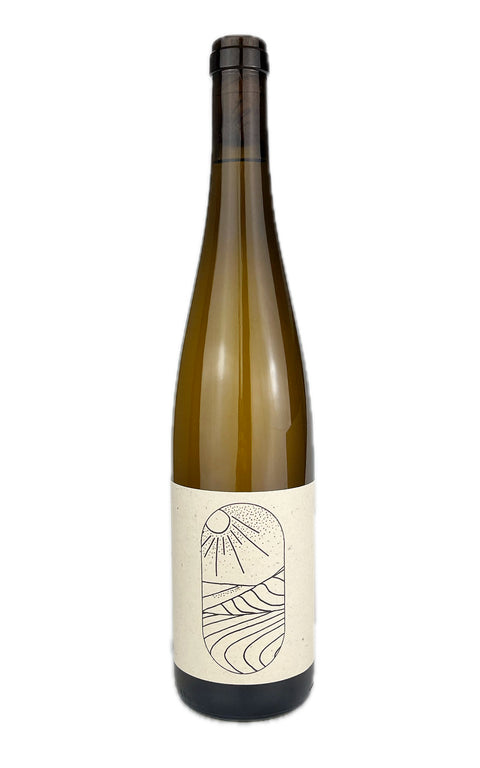
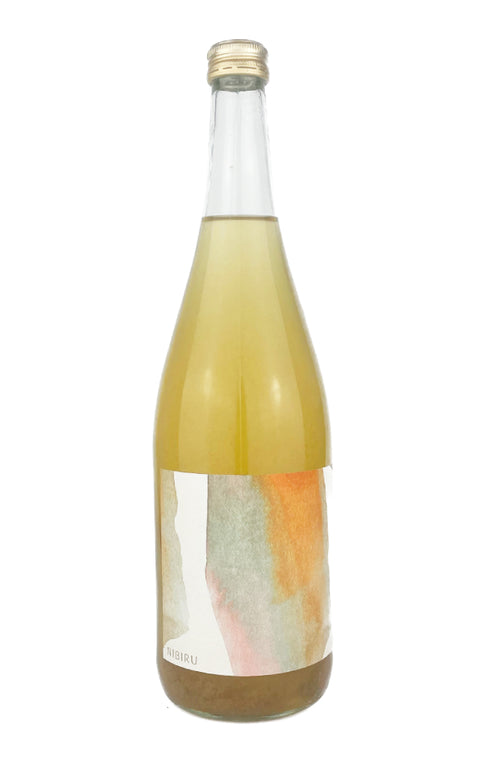
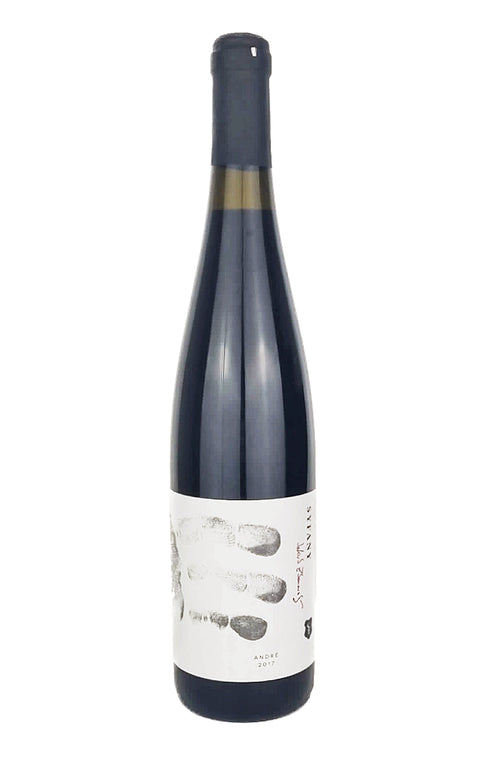
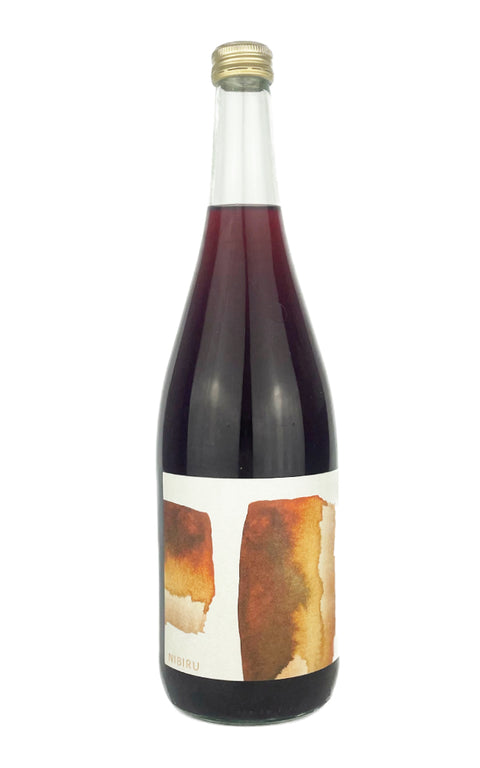
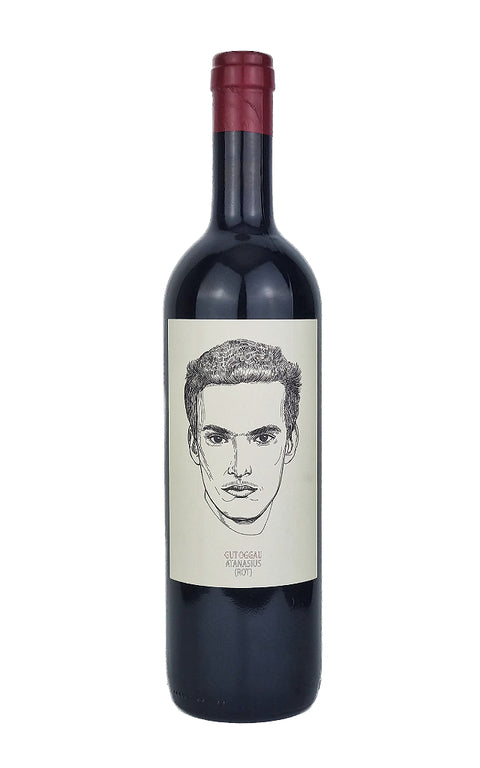
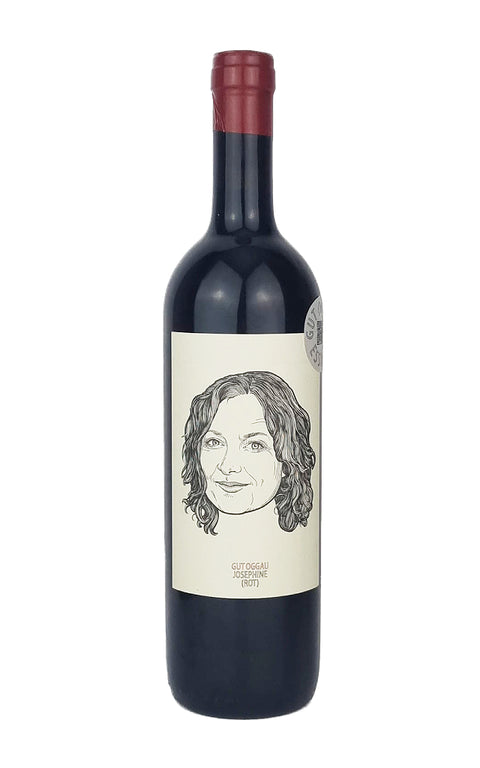
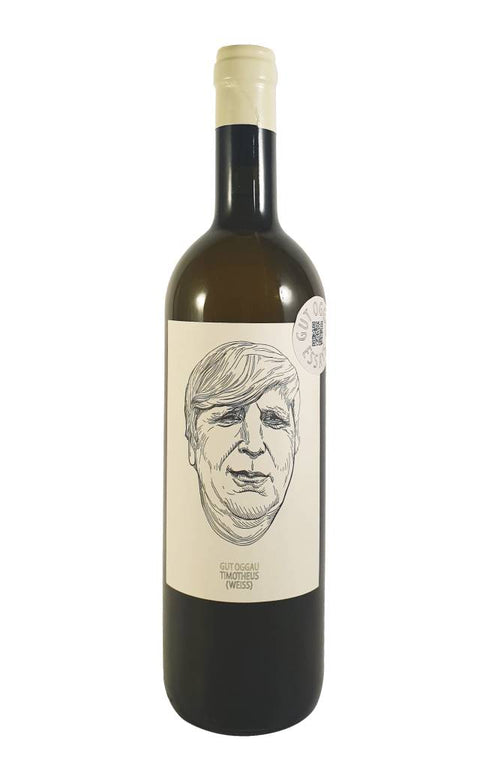
Discover our range of wines from Central & Eastern Europe, including Austria's Gruner Vetliner, Georgia's Saperavi, and more classics from Slovenia, Hungary, Czech Republic and Germany.
These wines are having a moment, thanks to their cooler climates in the light of climate change affecting Western Europe regions as well as their lighter styles of red wines, maintaining lower alcohol levels.
Here you will find answers to some of the most frequently asked questions for this category.
What countries are considered Central and Eastern European wine regions?
Central and Eastern European wines come from countries such as Hungary, Austria, Czech Republic, Slovakia, Slovenia, Croatia, Romania, Bulgaria and Georgia. These regions have long winemaking histories, often dating back centuries, but are now gaining renewed attention for quality-focused, terroir-driven wines.
What makes Central and Eastern European wines different?
These wines often combine old vines, indigenous grape varieties and minimal-intervention farming. Cooler continental climates and diverse soils give many wines natural freshness, structure and balance, making them particularly food-friendly.
Which grape varieties are common in Central and Eastern Europe?
You’ll find both international and regional grapes, including Grüner Veltliner, Riesling, Blaufränkisch, Zweigelt, Furmint, Frankovka, Kadarka and André. Many of these varieties produce distinctive wines that don’t easily fit into familiar Western European styles.
Are these wines good for winter drinking?
Yes, Eastern and Central European wines are especially well suited to colder months. Many reds offer depth, spice and structure, while fuller whites and skin-contact wines pair well with rich, hearty dishes.
Do these regions make natural and organic wines?
Very much so. Central and Eastern Europe has a strong culture of low-intervention, organic and natural winemaking, often by small producers working with old vineyards and native yeasts.
Are Central and Eastern European wines good value?
One of their biggest strengths is value for money comparing to other European wine regions. These wines often deliver complexity and character at prices well below equivalent styles from more famous regions. However, this still depends on the regions themselves, as Germany, Austria and Georgia are prestigious enough in the wine world to be holding a higher price tag. The other reason that might drive the prices higher from other countries in this region is the yield of import.
What foods pair well with Central and Eastern European wines?
Red wines from Central and Eastern Europe often show freshness, spice and structure rather than heavy oak or high alcohol, with grapes like Blaufränkisch, Zweigelt, Frankovka and Kadarka producing expressive, food-friendly styles. White wines tend to be crisp and aromatic, shaped by cooler climates and mineral soils, with varieties such as Grüner Veltliner, Riesling, Furmint and Welschriesling offering precision, texture and natural acidity.