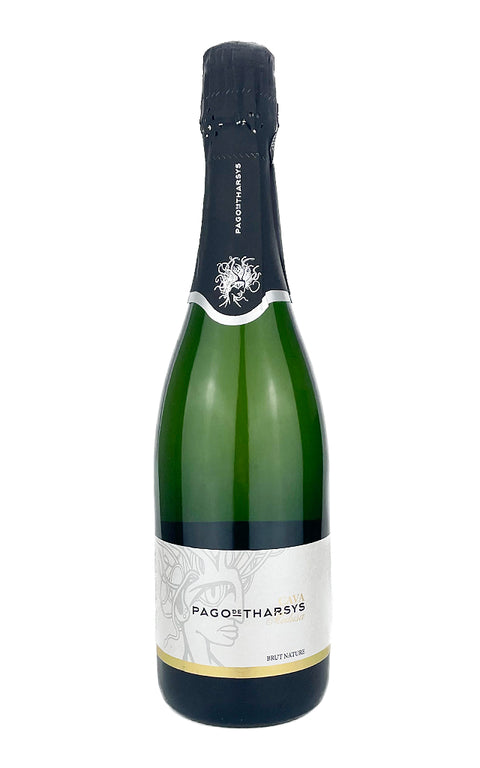
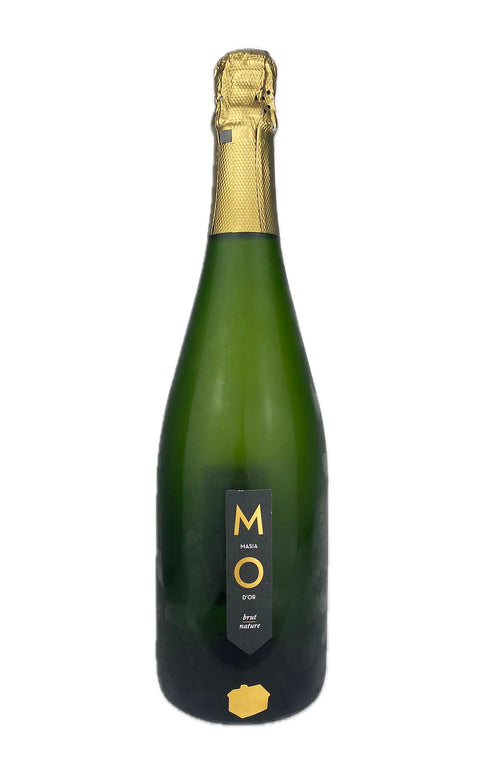
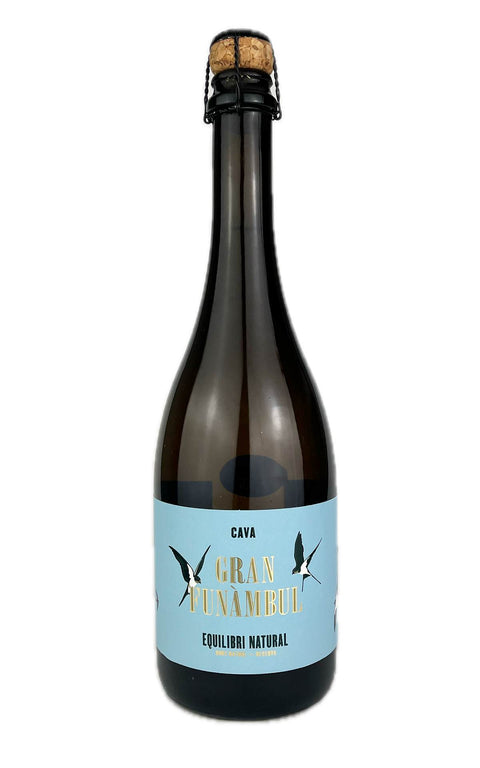
Discover our Cava collection. Spain’s traditional-method sparkling wine, often described as Spanish Champagne thanks to the way it’s made; with a second fermentation in the bottle, just like Champagne. Cava wine is typically fresh, dry and structured, with fine bubbles and flavours ranging from citrus and green apple to almond and brioche, especially in more mature styles. Most Cava is produced as Cava Brut, making it crisp, food-friendly and ideal for both celebrations and everyday drinking.
The heart of Spanish Cava production lies in Penedès, near Barcelona, using native grape varieties such as Macabeo, Xarel·lo and Parellada. At Forest Wines, we focus on Cava producers who prioritise low-intervention farming and longer ageing, resulting in more expressive, balanced Cava sparkling wines. If you’re looking for something drier and more complex than Prosecco, but often more affordable than Champagne, Cava is a brilliant choice.
Here you will find answers to some of the most frequently asked questions for this category.
What is Cava wine?
Cava is a Spanish sparkling wine made using the traditional method, where the bubbles are created through a second fermentation in the bottle. This method gives Cava its fine mousse, structure and ability to develop complexity with ageing.
Is Cava the same as Champagne?
Cava and Champagne are made using the same method, but they come from different regions and use different grape varieties. Champagne must be made in France’s Champagne region, while Cava is produced in Spain, mainly around Penedès.
What grapes are used in Cava?
Traditional Cava is made from Spanish grape varieties including Macabeo, Xarel·lo and Parellada. Some producers also use Chardonnay or Pinot Noir, particularly for modern or premium styles.
What does Cava taste like?
Cava is usually dry and refreshing, with flavours of citrus, green apple and pear. With ageing, it can develop notes of almond, toast and brioche, giving it more depth and complexity.
What is Cava Brut?
Cava Brut refers to a dry style of Cava with very little residual sugar. It’s the most common style and is known for its crisp, clean finish and versatility with food.
Is Cava sweeter than Prosecco?
No. Cava is generally drier than Prosecco. Prosecco often has a softer, fruitier profile, while Cava tends to be crisper, more structured and less sweet.
How is Cava different from Crémant?
Cava and Cremant are both traditional-method sparkling wines, but Cava is Spanish and made with local grapes, while Crémant is French and varies by region. Stylistically, both are drier and more complex than Prosecco.
Is Cava good for celebrations?
Yes. Cava is a popular choice for celebrations, weddings and gifting thanks to its fine bubbles, food-friendly style and excellent value compared to Champagne.
Is Cava considered Spanish Champagne?
Cava is sometimes called Spanish Champagne informally, but legally it is its own category. While the production method is similar, Cava has its own identity shaped by Spanish grapes and terroir.
How should Cava be served?
Cava is best served well chilled, ideally between 6–8°C, to highlight its freshness, acidity and fine bubbles.