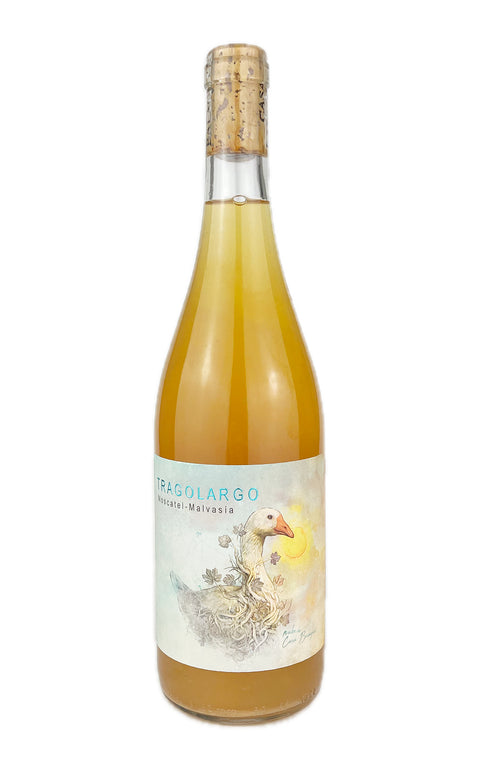
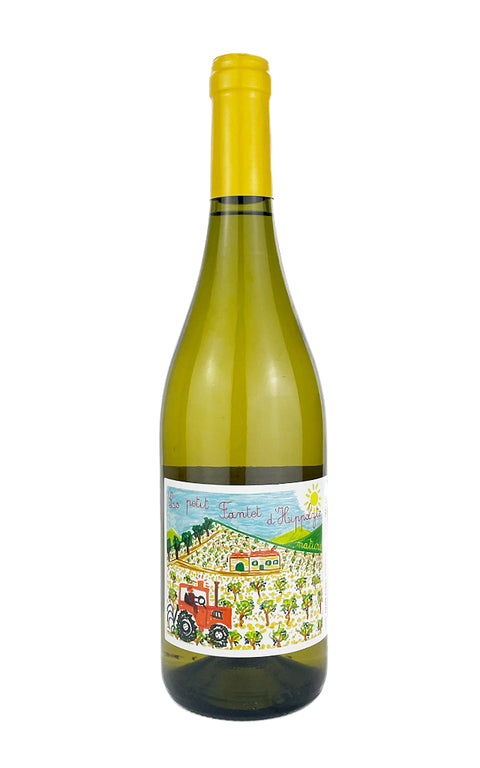
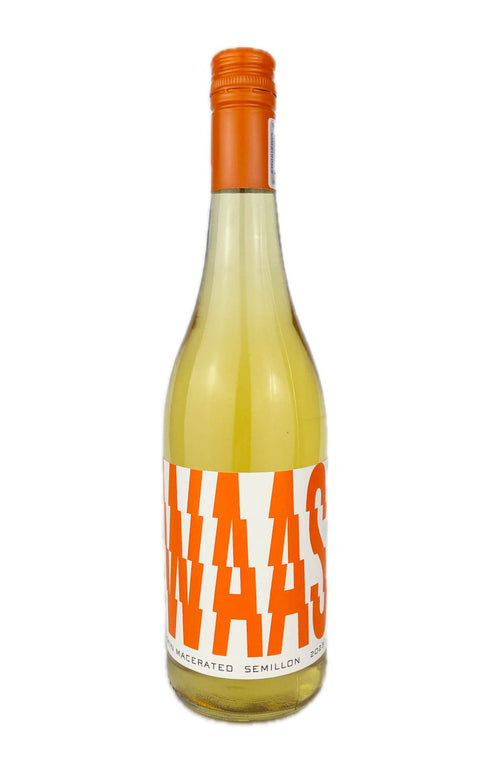
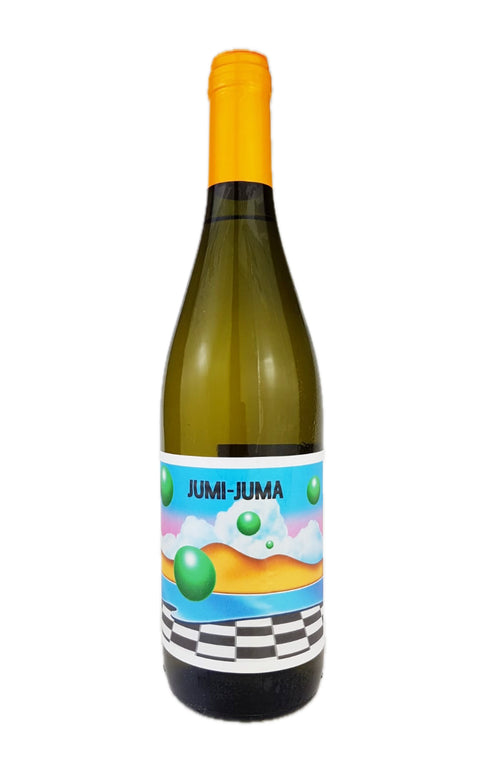
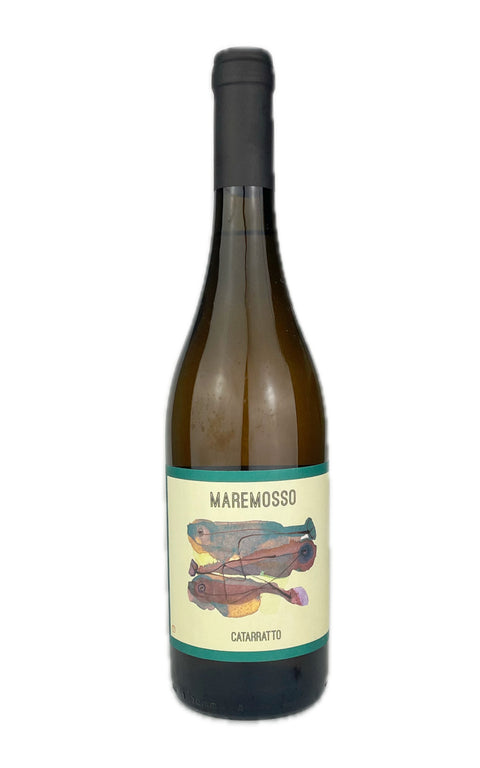
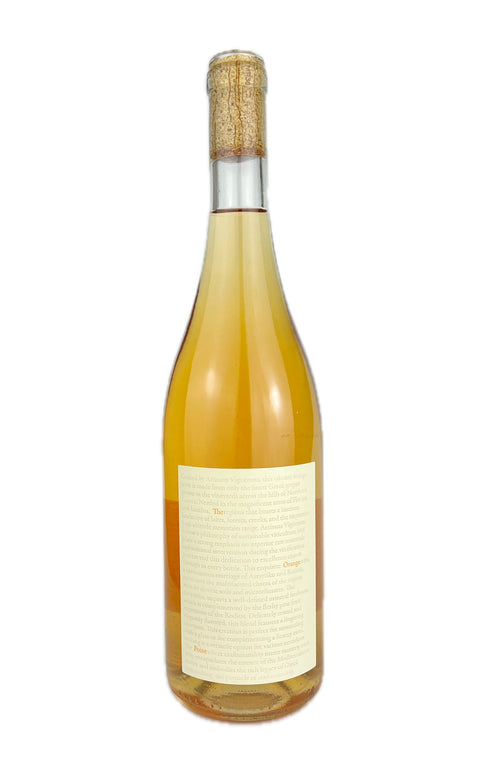
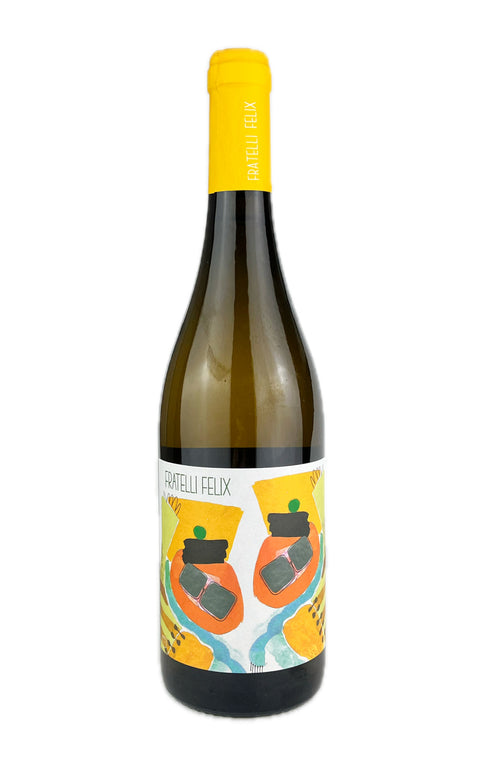
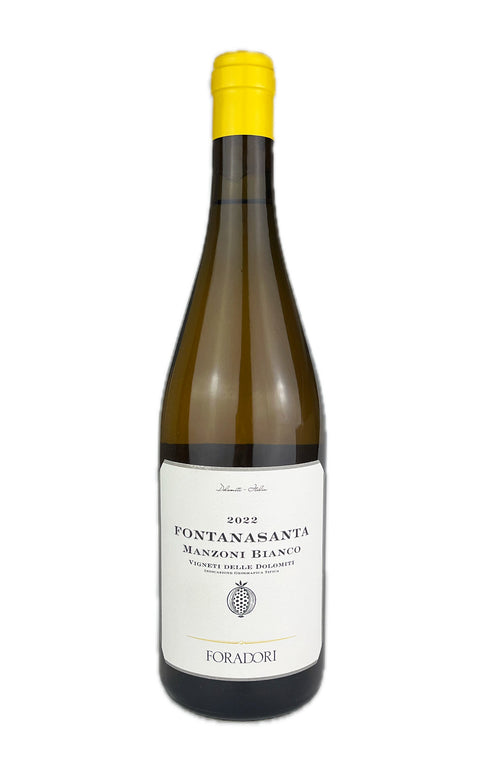
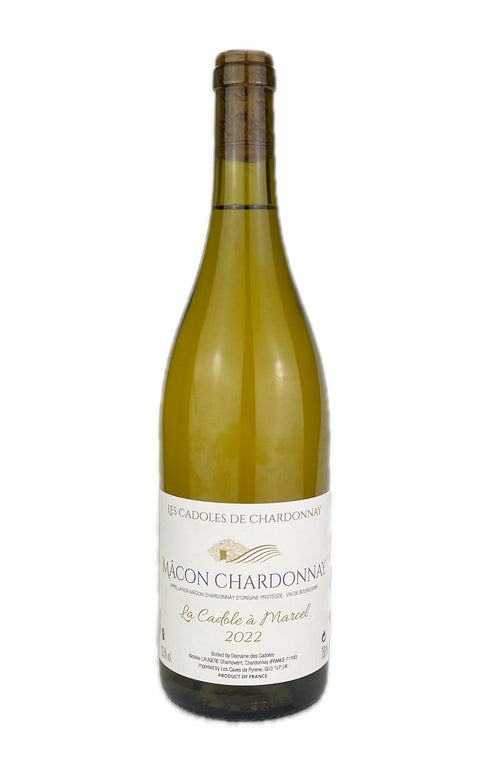
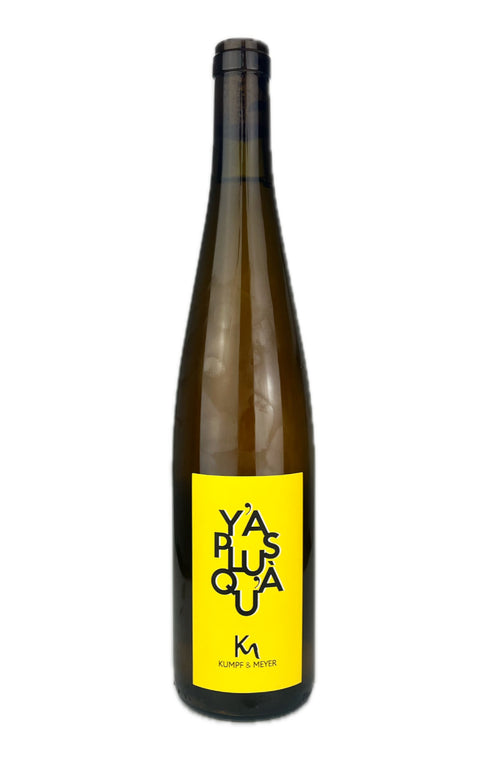
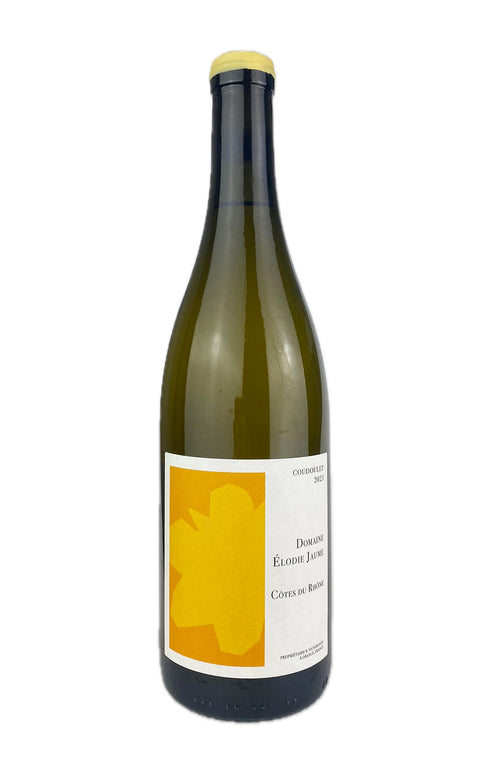
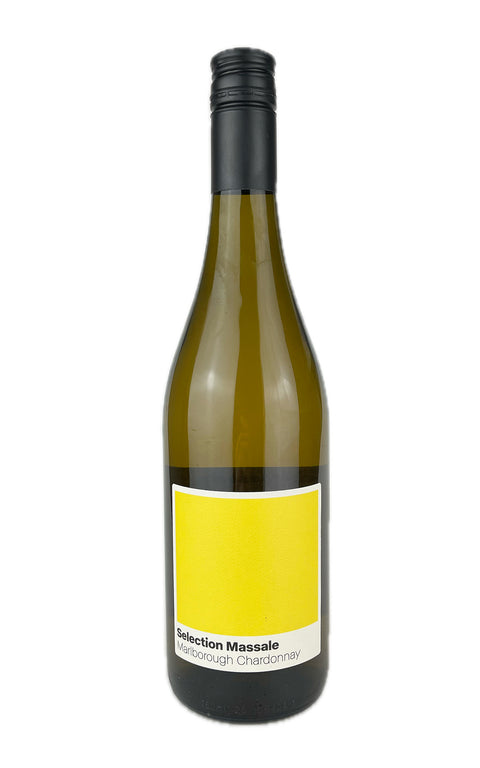
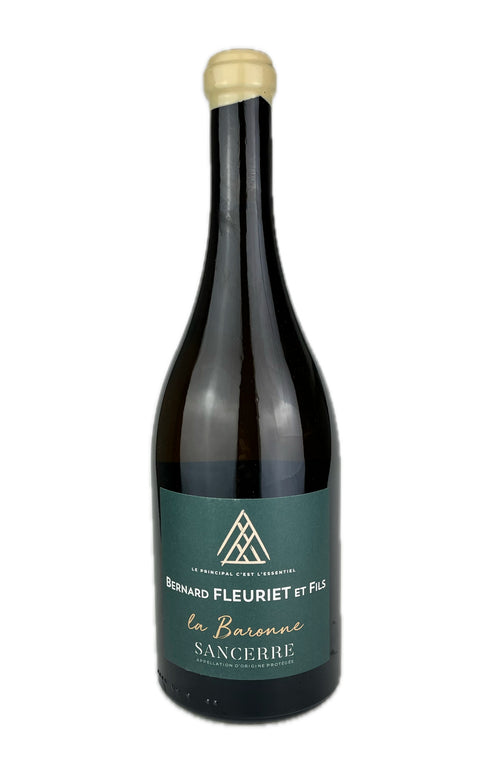
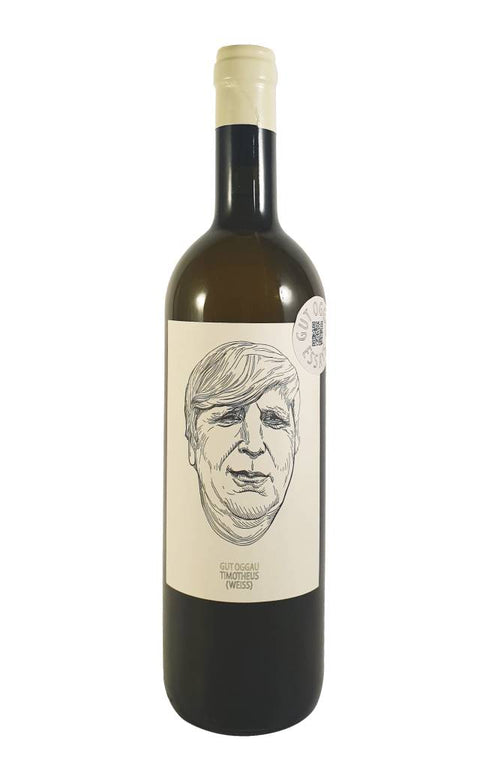
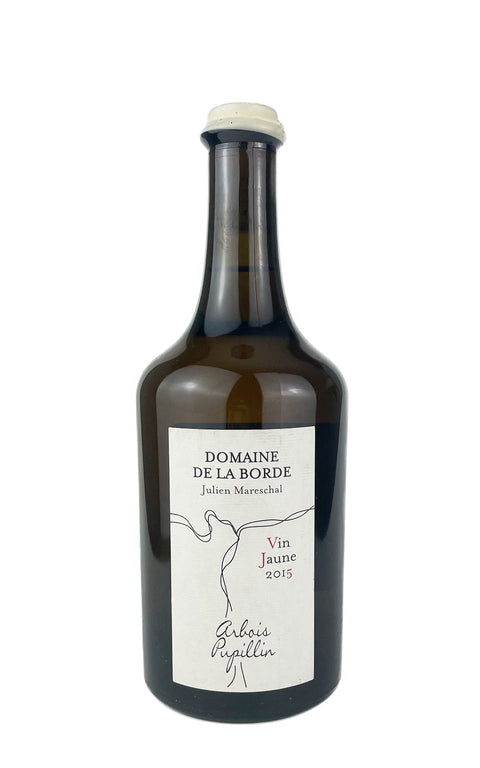
Discover our collection of rich and full-bodied white wines. These wines move beyond crisp, zesty styles and offer a broader, more generous mouthfeel, with flavours ranging from ripe stone fruit and baked apple to honey, nuts and gentle spice.
Oak ageing, lees contact or skin contact often play a role here, adding roundness and complexity. Classic regions like Burgundy have long set the benchmark with oaky, structured whites, while other styles rely more on grape character and winemaking choices rather than heavy oak.
Think Rhône-style blends, Alsace whites with weight and spice, Jura-inspired oxidative notes, and increasingly popular Portuguese whites made from indigenous grapes that combine body with freshness. You’ll also find Orange wines and skin-contact whites, which bring extra grip and savoury depth, as well as lees-aged wines that feel creamy without being overly oaky.
These are whites made for the table: perfect with roast chicken, creamy sauces, spiced dishes or hard cheeses, and ideal for drinkers who enjoy white wines with the presence and structure of a red.
Here you will find answers to some of the most frequently asked questions for this category.
What makes a white wine rich and full-bodied?
Rich and full-bodied white wines usually have more texture and weight on the palate. This can come from riper grapes, oak ageing, time spent on lees, or skin contact, all of which add depth and a lingering finish.
Are full-bodied white wines always oaked?
Not necessarily. While oak is common, many rich white wines gain their body from lees ageing or skin contact instead. These techniques add creaminess and structure without strong woody flavours.
Are orange wines considered full-bodied white wines?
Yes, very often. Orange wines are made by fermenting white grapes with their skins, which adds tannin, texture and savoury complexity, making them some of the most structured white wines available.
Do rich white wines age well?
Many do. Wines with good acidity, structure and careful winemaking, especially those aged on lees or with oak, can develop beautifully over time, gaining nutty, honeyed and savoury notes.
Are full-bodied white wines always high in alcohol?
Not always. Some richer styles come from warmer climates and can be higher in alcohol, but others balance body with freshness, especially when acidity is well preserved.
What food pairs best with rich white wines?
These wines shine with richer dishes: roast poultry, creamy pasta, mushroom dishes, spiced cuisine, and aged cheeses. They’re also great alternatives to red wine with food.
Are rich white wines good for people who usually drink red wine?
Absolutely. Their weight, texture and complexity make them a natural stepping stone for red wine drinkers looking to explore white wines without losing intensity.
Which white wines are considered rich or full-bodied?
White wines that are considered rich or full-bodied typically include oaky Chardonnay, textured Chenin Blanc, Rhône varieties like Viognier, Roussanne and Marsanne, as well as Pinot Gris in richer styles. Orange wines and skin-contact whites also fall into this category, thanks to their added grip and structure. Many whites aged on lees or made in warmer regions will naturally feel fuller and more generous on the palate.