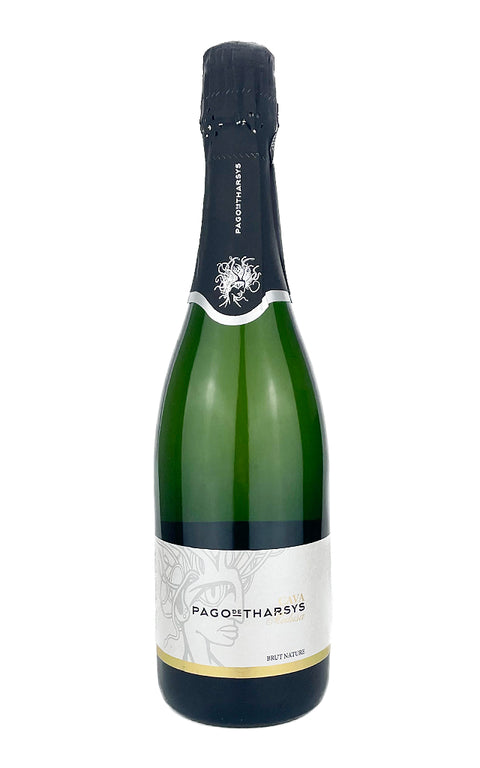
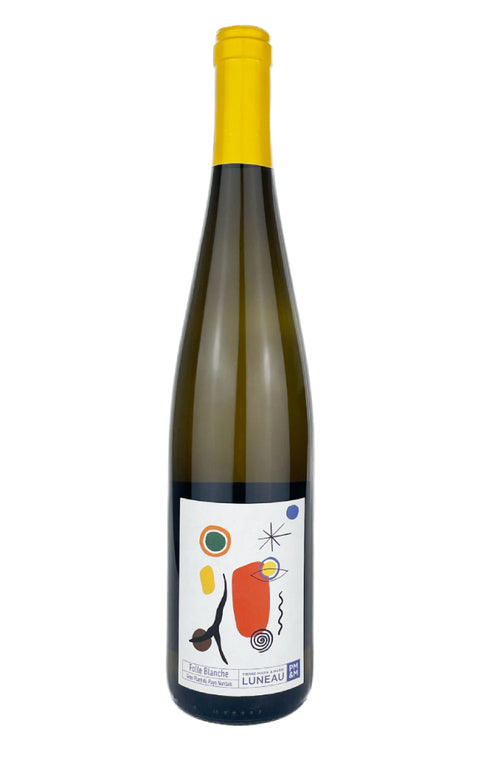
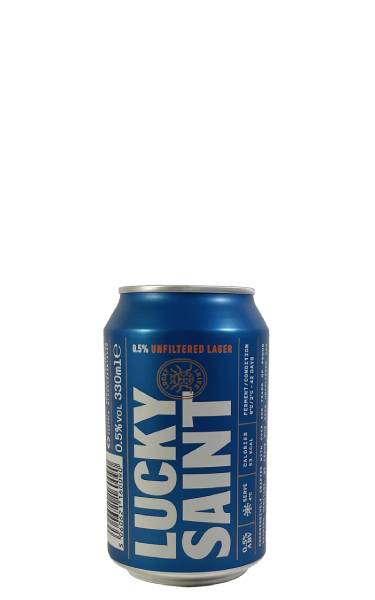
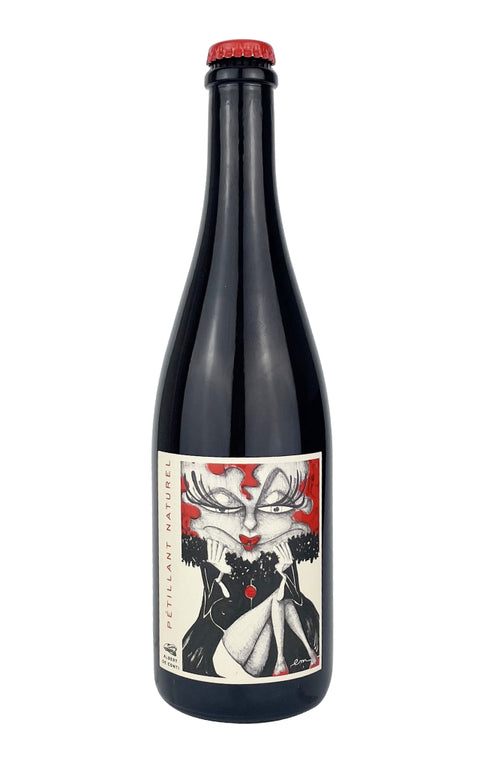
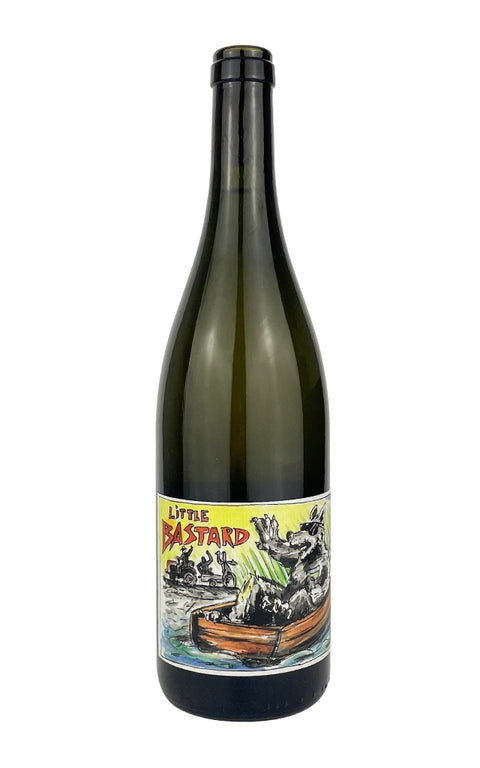
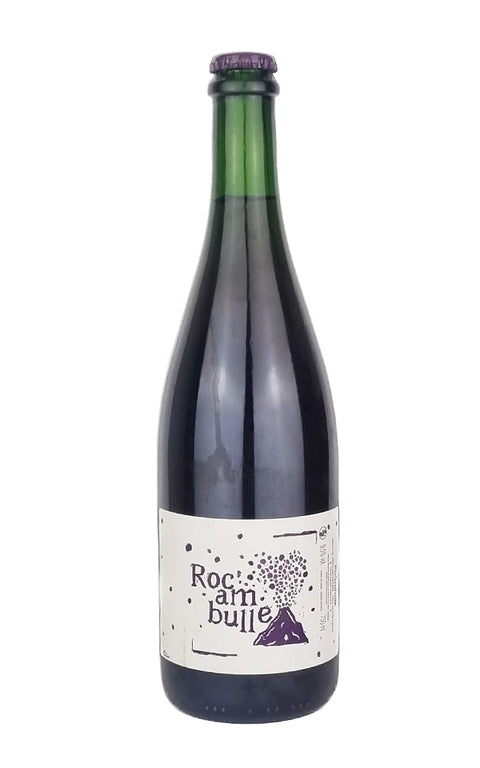
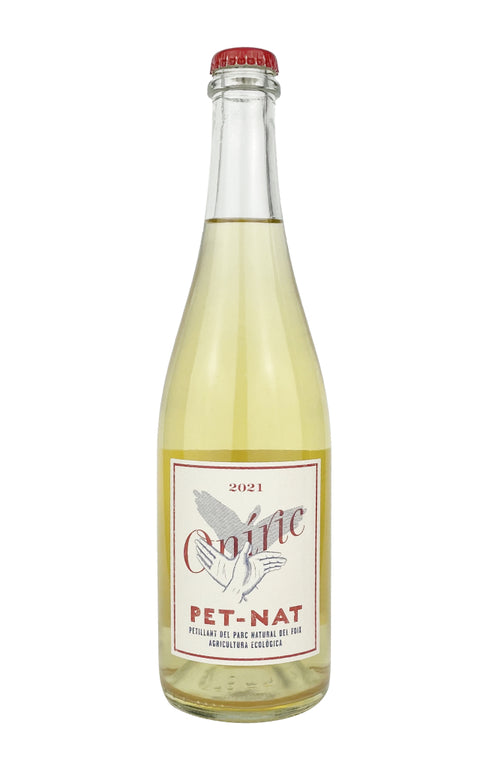
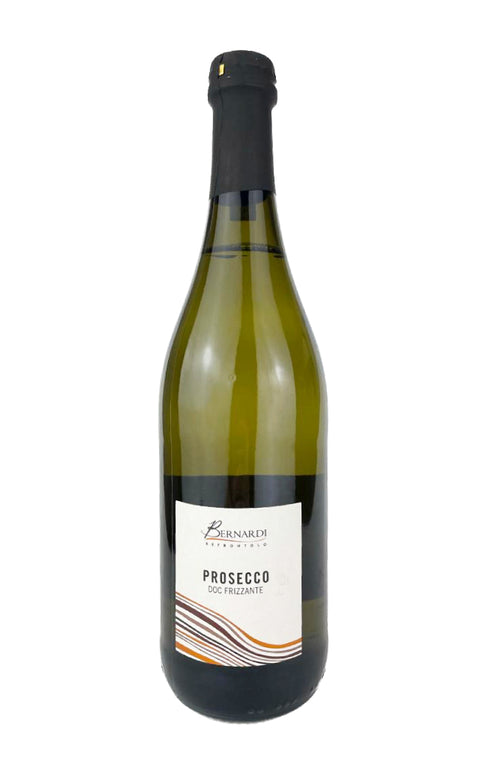
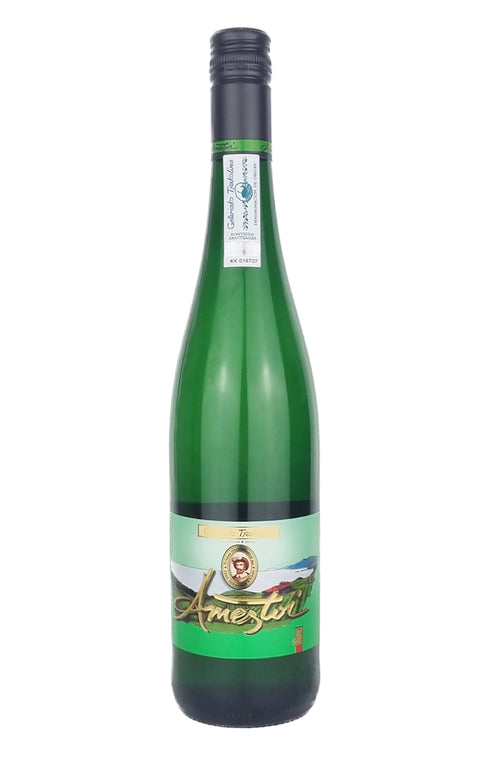
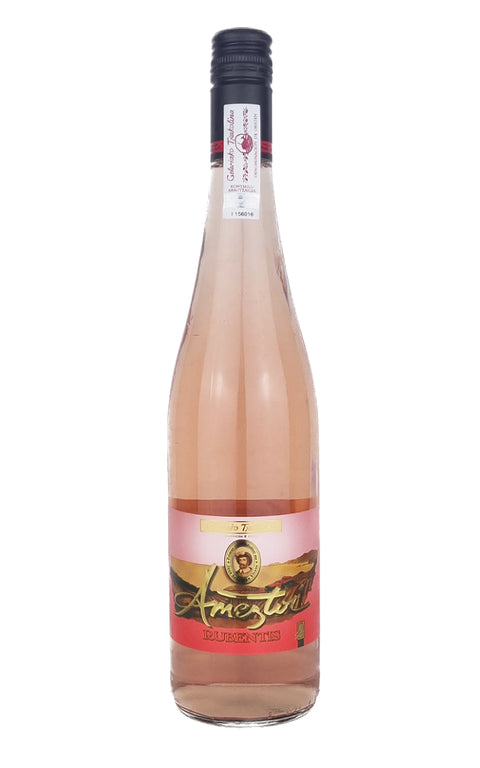
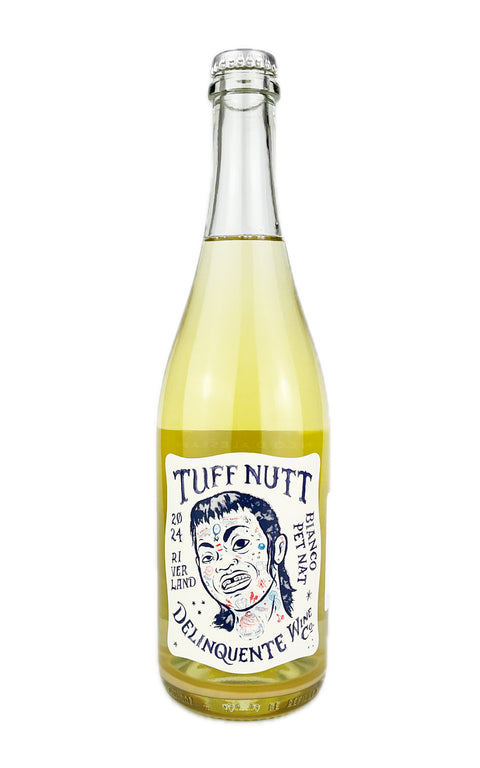
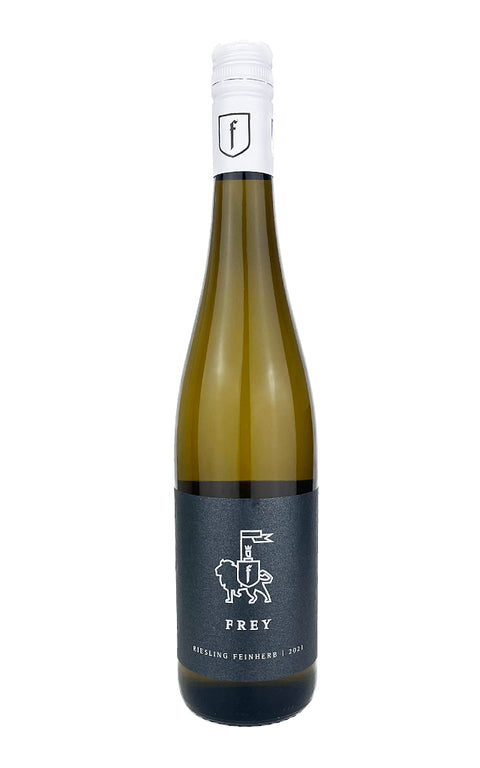
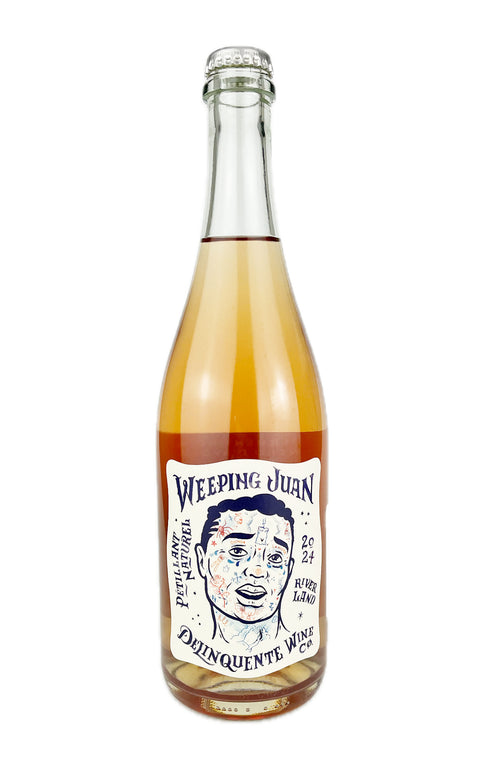
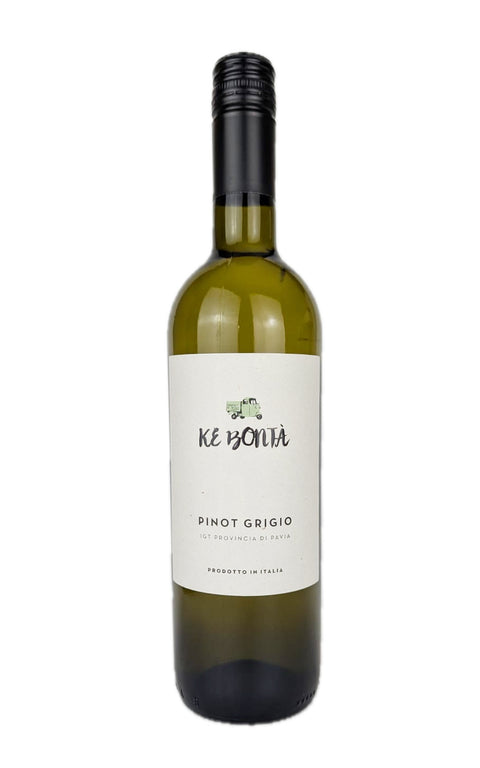
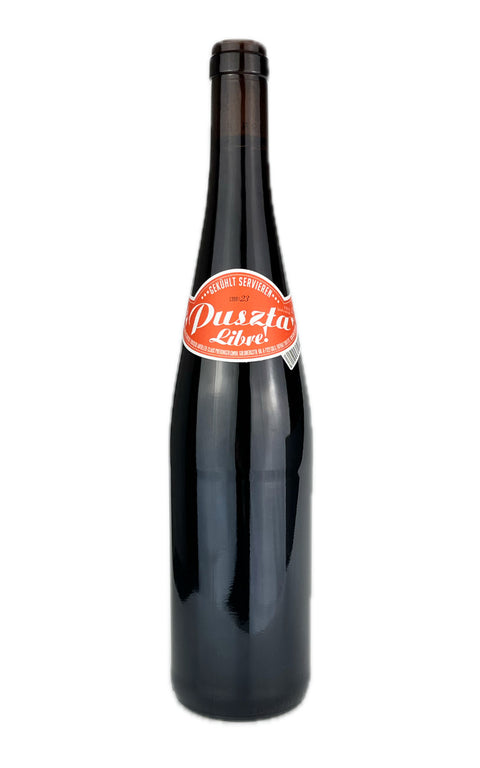
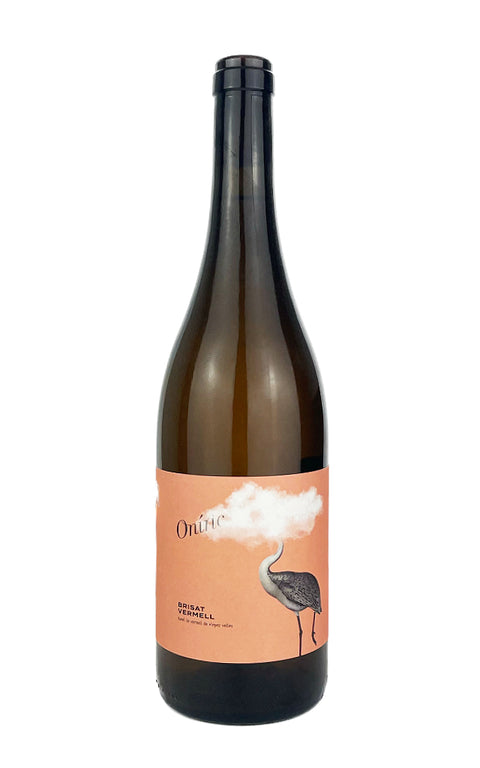
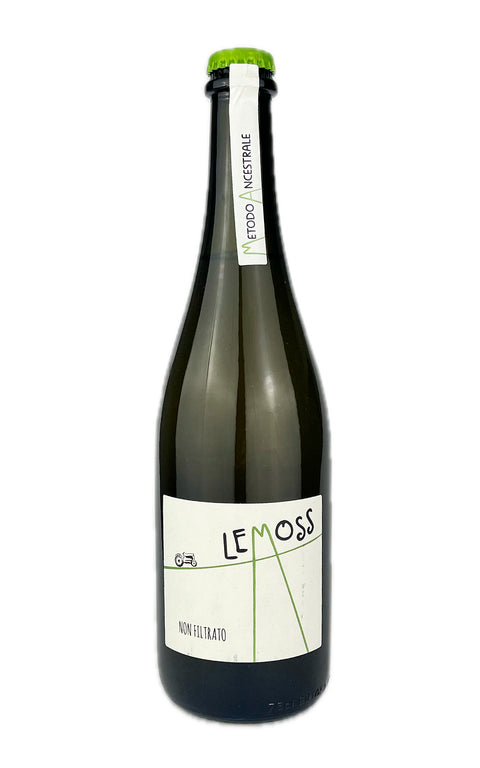
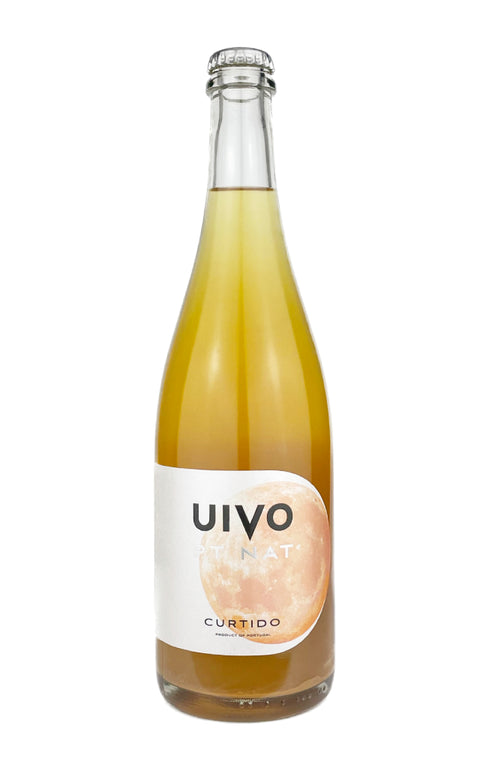
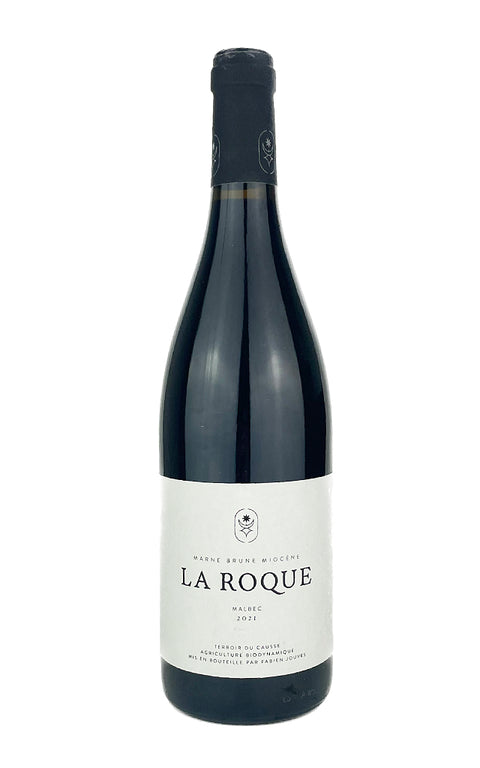
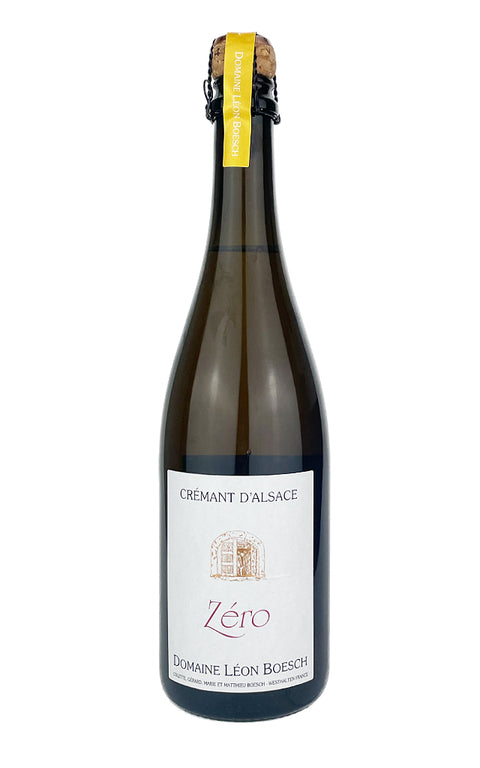
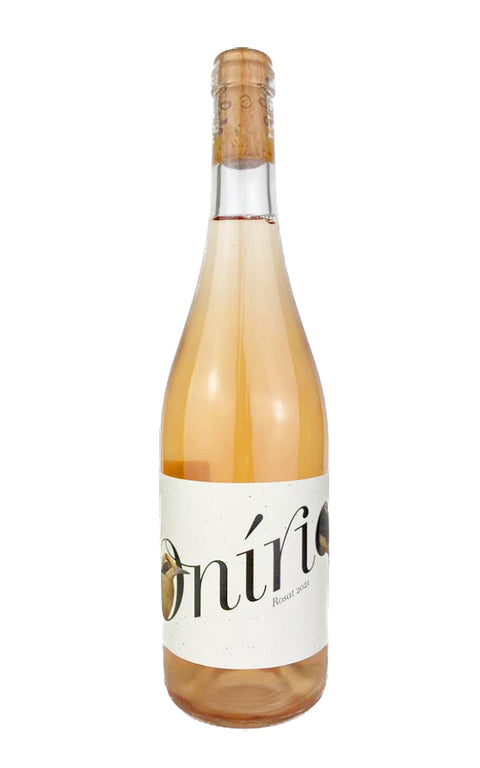
Lower alcohol wines are having a real moment, and for good reason. Whether you’re doing Dry January, Sober October, or simply looking to drink a little lighter without sacrificing pleasure, low ABV wine offers a more relaxed way to enjoy a glass. While most wines sit comfortably above 12%, this collection focuses on bottles with lower alcohol content, proving that freshness, character and balance don’t rely on high ABV.
You’ll find plenty of naturally lower-alcohol styles here, including English wines, which often benefit from cooler climates, and lively pet nat wines, where early harvesting and gentle fermentation keep things bright and refreshing. These wines are ideal for weekday drinking, longer lunches, or anyone wanting a clearer head the next day, without switching to alcohol-free. Thoughtful farming, earlier picking and minimal intervention all play a part in keeping these wines lighter, easier and genuinely enjoyable.
Here you will find answers to some of the most frequently asked questions for this category.
What is considered a low ABV wine?
Low ABV wine generally refers to wines with an alcohol content of around 11.5% or less. These wines are often made by harvesting grapes earlier or using grape varieties that naturally produce less sugar.
Is low ABV wine the same as alcohol-free wine?
No, low ABV wine still contains alcohol, just at a lower level than standard wines. Alcohol-free wine usually goes through a dealcoholisation process, while low ABV wines are made naturally.
Why are English wines often lower in alcohol?
England’s cooler climate means grapes ripen more slowly and retain higher acidity with lower sugar levels. This naturally results in wines with lower alcohol and fresher profiles.
Does low alcohol mean less flavour?
Not at all. Many low ABV wines are full of flavour, with bright fruit, freshness and texture taking centre stage instead of power or heaviness.
Are low alcohol wines good for Dry January or Sober October?
Yes, they’re a popular choice for people looking to reduce alcohol intake without giving up wine altogether. They offer a middle ground between full-strength and alcohol-free options.
Do low alcohol wines age well?
Generally, low ABV wines are best enjoyed young, when their freshness and energy are at their peak. They’re designed for easy, early drinking rather than long cellaring.
Can I still pair low ABV wines with food?
Absolutely. Their higher acidity and lighter body make them great with seafood, vegetables, salads, and lighter dishes, and they’re often easier to match with food than high-alcohol wines.