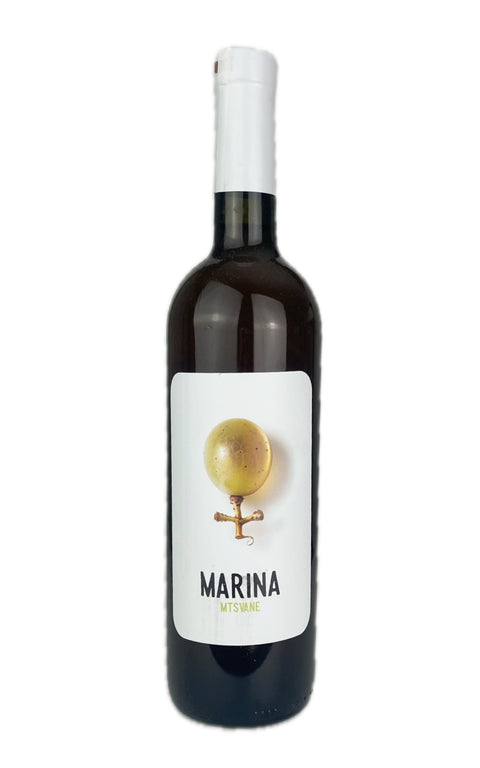
Discover our selection of Georgian wine, deeply rooted in tradition, most famous for being the oldest wine region in the world and for the use of qvevri (large clay vessels buried underground in which wines ferment and age). This ancient method gives rise to some of the world’s most distinctive styles, particularly Georgian amber wine (also known as Georgian orange wine), made by fermenting white grapes with their skins.
At the heart of the wine of Georgia, you'll find indigenous grape varieties such as Saperavi, a deeply coloured, naturally high-acid red grape, and Kisi, one of the country’s most celebrated white grapes, often used for amber wine. Kisi wine offers aromatic complexity, tea-like tannins and layered stone fruit notes, while Saperavi produces powerful yet balanced reds capable of ageing.
Georgian wines are increasingly sought after by lovers of natural wine, minimal-intervention winemaking, and expressive terroir-driven bottles that bridge ancient tradition with modern relevance.
Here you will find answers to some of the most frequently asked questions for this category.
Why is Georgia considered the birthplace of wine?
Archaeological evidence shows that winemaking in Georgia dates back over 8,000 years. The discovery of grape residues in ancient clay vessels confirms Georgia as the earliest known wine-producing civilisation.
What is qvevri wine?
Qvevri are large clay vessels buried underground and used for fermenting and ageing wine. This method allows natural temperature regulation and prolonged skin contact, creating wines with depth, texture, and structure.
What is Georgian amber wine?
Georgian amber wine is made from white grapes fermented with their skins, seeds, and sometimes stems. This produces wines with tannins, amber colour, and complex savoury, nutty, and dried fruit flavours.
Is Georgian orange wine the same as amber wine?
Yes. In Georgia, the traditional term is amber wine, while “orange wine” is the internationally used category name. Both refer to skin-contact white wines made using traditional or natural methods.
What does Saperavi taste like?
Saperavi is a teinturier grape, meaning both the skin and flesh are coloured. Wines are deeply coloured, structured, and intense, with flavours of dark berries, spice, earthy notes, and naturally high acidity.
What is Kisi wine and why is it popular?
Kisi wine is typically aromatic and complex, especially when made as an amber wine. It combines stone fruit, dried herbs, tea-like tannins, and freshness, making it a favourite among natural wine drinkers.
Are Georgian wines natural wines?
Many Georgian producers work with minimal intervention, indigenous yeasts, and little to no sulphur, aligning closely with natural wine principles. However, styles range from fully natural to more classical interpretations.
Do Georgian wines age well?
Yes, particularly Saperavi and qvevri-aged amber wines. Their structure, tannins, and acidity allow them to evolve beautifully over time, developing savoury and earthy complexity.
What foods pair well with Georgian wine?
Amber wines pair exceptionally well with roasted vegetables, spiced dishes, aged cheeses, and Middle Eastern or Eastern European cuisine. Saperavi works well with grilled meats, stews, and rich, slow-cooked dishes.
Why are Georgian wines becoming more popular?
Growing interest in authentic, low-intervention wines and ancient traditions has brought Georgian wine into the spotlight. Their unique grapes, qvevri methods, and expressive styles offer something genuinely different from mainstream wine regions.