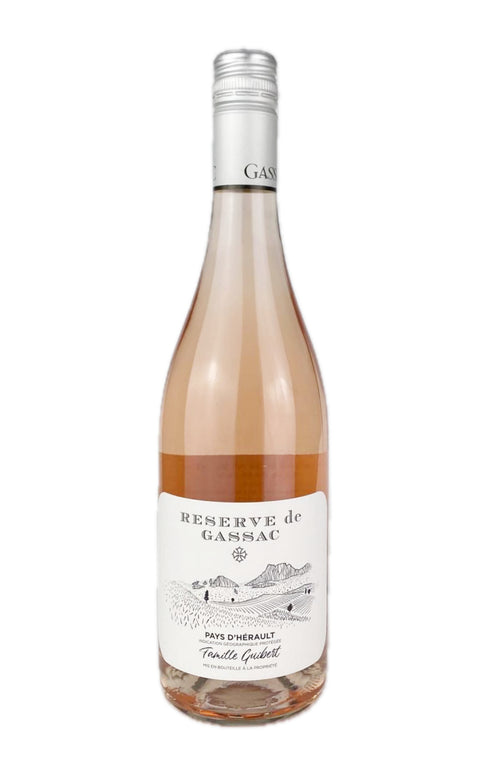
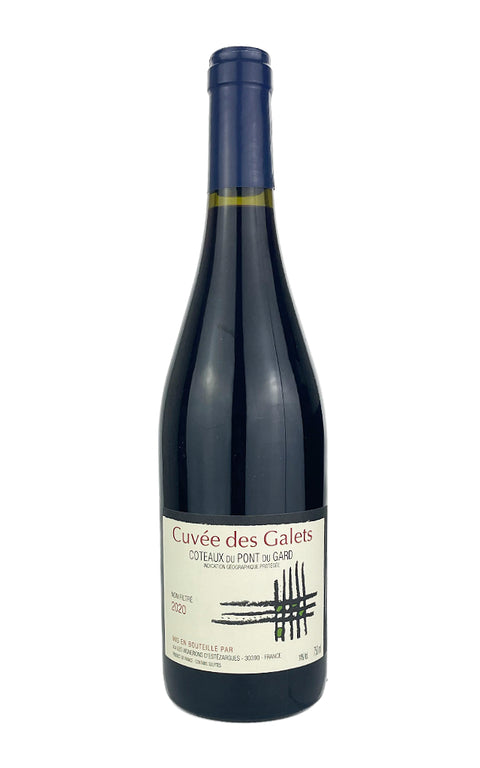
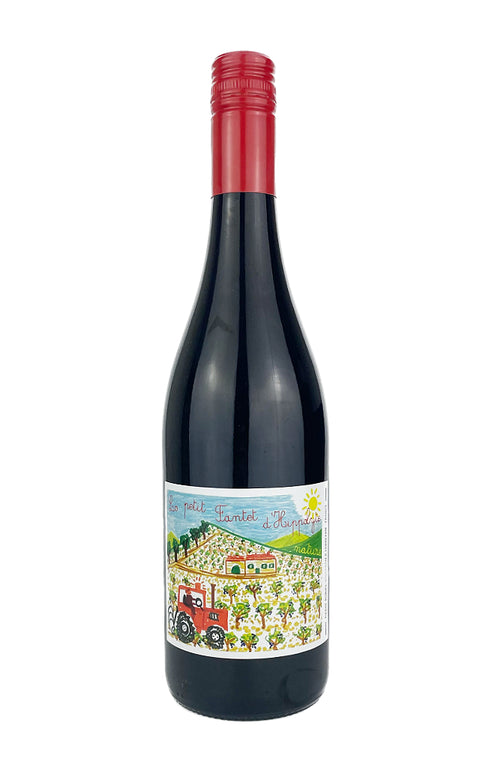
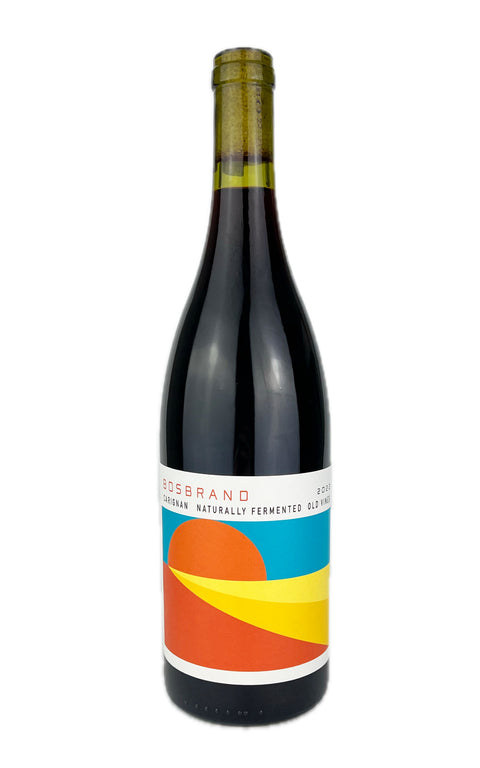
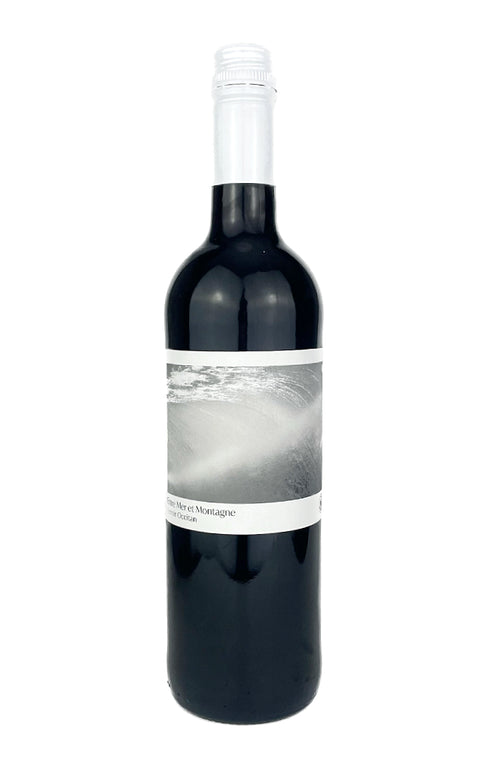
Discover our range of Carignan wines. This historic Mediterranean grape that’s been quietly making a comeback, prized for their freshness, savoury edge and food-friendly structure. It often sits somewhere between Grenache and Syrah: it shares Grenache’s red-dark fruit character, but with higher acidity and a more savoury, herbal edge closer to Syrah.
Modern Carignan wines are prized for their energy and balance, offering flavours of dark cherry, blackberry, dried herbs and spice, supported by firm but food-friendly tannins. When grown on old vines and kept to low yields, Carignan produces expressive, characterful wines that feel vibrant rather than heavy.
Carignan is most closely linked to Languedoc, where it plays a key role in some of the region’s most exciting reds, as well as parts of Provence, where it’s also used in structured rosé wine. In Spain, known as Carinena, it contributes depth and freshness to powerful reds from Priorat, while in Sardinia it appears as Carignano, producing distinctive, sun-soaked wines with Mediterranean character.
Here you will find answers to some of the most frequently asked questions for this category.
What type of wine is Carignan?
Carignan is primarily used to make dry red wines, though it can also appear in rosé blends. It’s known for its acidity, structure and savoury character.
What does Carignan taste like?
Carignan typically shows flavours of dark cherry, blackberry and plum, alongside notes of dried herbs, spice and sometimes a slightly earthy or mineral edge.
Is Carignan a full-bodied wine?
Carignan is usually medium- to full-bodied, with firm acidity and tannins. The body depends on climate, vine age and winemaking style.
What is Carignan wine similar to?
Carignan is often compared to Grenache or Syrah, but with higher acidity and a more savoury, rustic edge, especially in traditional styles.
Is Carignan similar to Pinot Noir?
Not really. Pinot Noir is lighter, softer and more delicate, while Carignan is generally darker, firmer and more structured.
What is Carinena wine?
Carinena is the Spanish name for the Carignan grape. It’s commonly used in Spanish blends and is especially important in regions like Priorat.
Is Carignan used in rosé wine?
Yes. In southern France, Carignan is sometimes used in rosé wine, where its acidity helps create freshness and structure.
Why is Carignan becoming popular again?
Old-vine plantings, better vineyard management and a move away from high yields have revealed Carignan’s potential for characterful, balanced wines.
Is Carignan good for food pairing?
Very much so. Its acidity and savoury profile make it a great match for grilled meats, Mediterranean dishes, stews and vegetables.
Is Carignan a natural wine grape?
Carignan is popular among natural winemakers because old vines often require minimal intervention and produce expressive, site-driven wines.
What is Carignan in South Africa like?
Carignan is still relatively rare but exciting, often made from old vines. It tends to be fresh, slightly spicy and vibrant, with a lighter touch than you might expect.